
Healthy ready made meals: quick, nutritious options for busy days
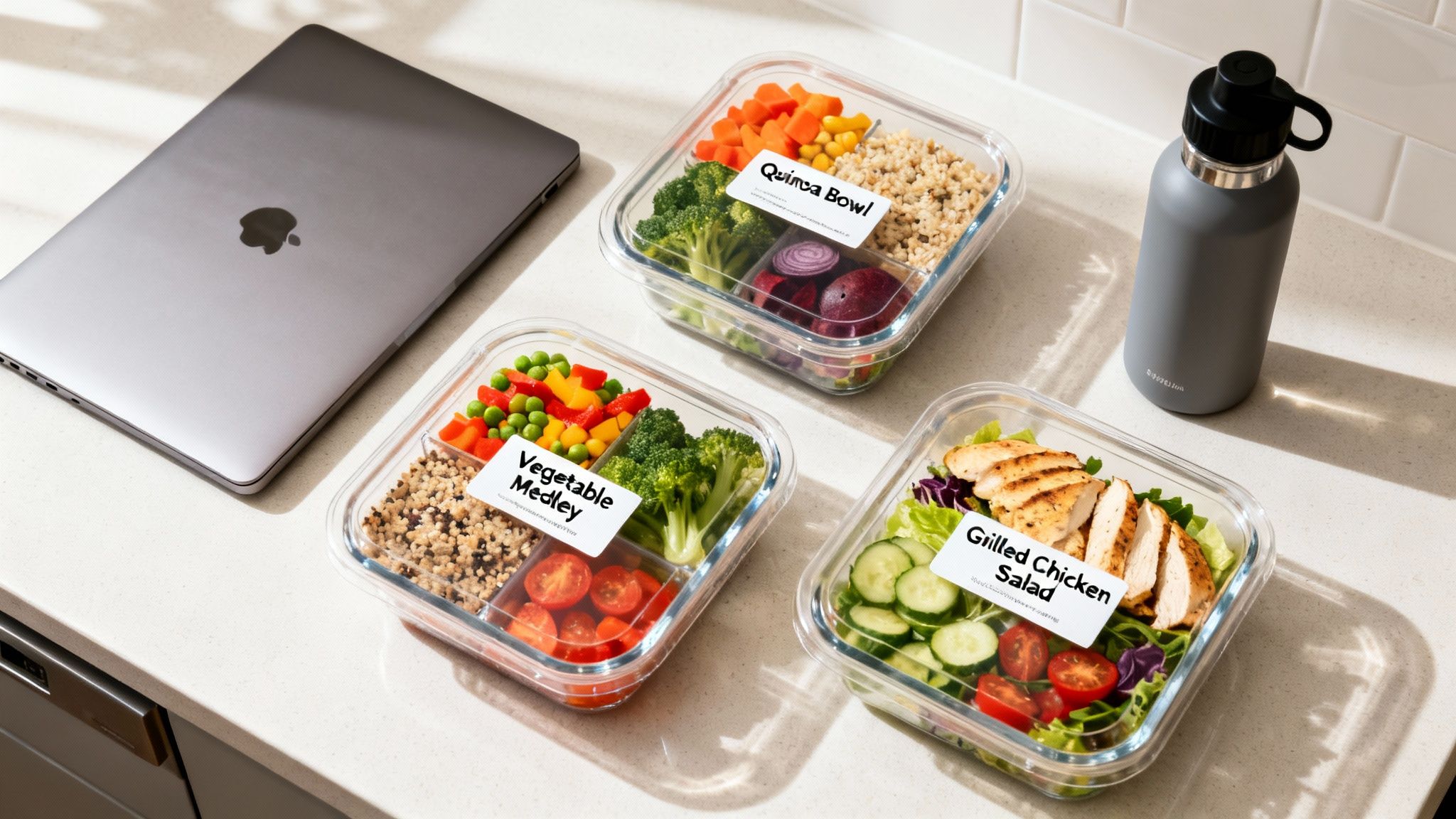
Healthy ready-made meals are simply pre-cooked, packaged dishes that give you a nutritious and seriously convenient alternative to cooking everything from scratch. They’re designed for people on the go who still want to eat well, combining whole-food ingredients and balanced macros to deliver a genuinely healthy option in minutes. Incorporating healthy ready made meals into your diet can make a big difference in maintaining a balanced lifestyle.
Your Guide to Effortless Healthy Eating
Let’s be real: juggling a demanding career, family life, and your own goals can push healthy eating to the bottom of the list. You’re constantly facing that daily choice between a home-cooked meal that feels impossible to pull off and a quick fix that’s… questionable. Too often, convenience wins, but your well-being pays the price.
If that sounds familiar, this guide is for you. We’re diving into the world of healthy ready-made meals, and trust me, we’ve come a long way from the preservative-packed frozen dinners of the past. Today’s options are a game-changer, proving that convenience and nutrition can finally go hand in hand.
By choosing healthy ready made meals, you can save time while ensuring that you still prioritize your health.
What You Will Discover
This guide is all about empowering you to make smart, time-saving food choices. We’ll walk you through everything you need to know, from decoding confusing labels to finding the perfect meal solution for your lifestyle. And for those days when you’re truly slammed, knowing how to supplement your week is key—that’s where things like Finding the Best On-The-Go Protein Snacks come in handy.
Here’s a sneak peek of what’s inside:
- Decoding Nutrition Labels: You’ll learn to spot hidden sugars, sneaky sodium, and unwanted additives to make sure your “healthy” meal actually is.
- Comparing Your Options: We’ll lay out the pros and cons of store-bought meals, meal kits, and even premium services like a private chef.
- Practical Tips and Tricks: Discover the best ways to buy, store, and prep your meals to keep them tasting fresh and delicious.
- Real-World Meal Plans: We’ve got sample weekly plans for busy professionals and tips on how to use these services for hosting events.
The goal is simple: to help you reclaim your time without sacrificing your health. You can enjoy delicious, nourishing food that fuels your body and mind, even on your busiest days.
Healthy ready made meals can be an excellent way to enjoy nutritious food without the hassle of preparation, making it easier to stick to your health goals.
By the time you finish this guide, you’ll have a clear roadmap to bringing effortless, healthy eating into your life. It’s time to transform your relationship with food, one convenient and delicious meal at a time.
How to Read Nutrition Labels Like a Pro
Walking down the grocery aisle to find a genuinely healthy ready-made meal can feel like a trap. The packaging is bright, the health claims are loud, but the truth is usually tucked away in the fine print of the nutrition label. Learning how to read that label is your single best tool for picking meals that actually do your body good.
Think of the nutrition facts panel as the meal’s unfiltered biography. It tells you everything you need to know, from its best qualities (key nutrients) to its potential deal-breakers (sky-high sugar and sodium). Looking past the flashy calorie count is the first step to making a smart choice.
With so many options available, healthy ready made meals are becoming an increasingly popular choice for busy individuals.
And this skill has never been more critical. The demand for convenient, healthy food is exploding, creating a global market for ready-to-eat healthy meals valued at a staggering USD 12.5 billion in 2024. As this market continues to grow, so does the noise. You can see the full market breakdown and projections on go2marketresearch.com. With countless options competing for your attention, knowing your way around a label is essential.
First, Check the Serving Size
Before your eyes go anywhere else, find the serving size and servings per container. This is the oldest trick in the book. A meal that looks low in calories or salt might actually contain two or even three servings. All those numbers for fat, sugar, and sodium? They only apply to one of those servings.
If you know you’re going to eat the whole package (and let’s be honest, most of us do), you have to multiply every number on that label by the number of servings. It’s a simple bit of math that can instantly reveal when a “healthy” meal is anything but.
When selecting healthy ready made meals, always check the ingredient list to ensure you’re making the best choice for your health.
Scan for These Key Red Flags
Once you’ve got the serving size sorted, you don’t need to get lost in the details. Just scan for the big three—the nutrients that have the most impact on your health and are often hiding in plain sight.
- Sodium: Processed and pre-made meals are notorious salt bombs, used for both flavor and preservation. The American Heart Association suggests capping your intake at 2,300 milligrams (mg) per day, but the ideal target for most adults is closer to 1,500 mg. It’s shocking how often a single ready-made meal can blow past half of your daily limit.
- Added Sugars: This isn’t the natural sugar you find in an apple or a glass of milk. Added sugars are things like corn syrup, cane sugar, or dextrose—sweeteners that offer zero nutritional benefit. Aim for meals with less than 10 grams of added sugar. Keep an eye out for ingredients ending in “-ose” (like fructose or sucrose), as they’re all just sugar in disguise.
- Saturated and Trans Fats: Good fats from things like olive oil or avocado are great, but saturated and trans fats are the ones to watch. Look for meals that are low in saturated fat and have zero grams of trans fat. Trans fat often hides in the ingredient list as “partially hydrogenated oil.”
The Ingredient List Tells the Real Story
Choosing healthy ready made meals can reduce your cooking time significantly while still providing the nutrients your body needs.
If the nutrition panel is the meal’s biography, the ingredient list is the behind-the-scenes documentary. It reveals the true character of what you’re eating. Ingredients are listed by weight, from most to least. Your goal is to find a short list of ingredients you can actually recognize—real, whole foods.
A truly healthy ready-made meal will start with ingredients you’d find in your own kitchen: things like chicken breast, quinoa, broccoli, or olive oil. If the list is a mile long and full of words that sound like a science experiment, that’s a huge red flag for a highly processed product.
To see just how different two “healthy” meals can be, let’s put them side-by-side.
Healthy vs. Deceptive Ready Meal Comparison
This table shows how a genuinely healthy meal stacks up against one that’s just pretending. The marketing might look the same, but the labels tell two very different stories.
| Nutritional Factor | Truly Healthy Meal Example | Deceptively ‘Healthy’ Meal Example |
|---|---|---|
| First 3 Ingredients | Grilled Chicken, Brown Rice, Broccoli | Water, Modified Corn Starch, Rice Flour |
| Sodium Content | 450 mg | 980 mg |
| Added Sugars | 2g | 15g (from high-fructose corn syrup) |
| Ingredient Recognizability | High (e.g., olive oil, garlic, herbs) | Low (e.g., sodium phosphate, maltodextrin) |
See the difference? The “deceptive” meal is mostly fillers and chemicals, loaded with salt and sugar. By focusing on the serving size, the big three nutrients, and the ingredient list, you can cut right through the marketing fluff. It gives you the power to choose meals that support your wellness goals, making convenience a smart part of your lifestyle, not a compromise.
Choosing Your Perfect Convenient Meal Solution
Healthy ready made meals are ideal for those who want nutritious food without spending hours in the kitchen.
The world of convenient dining has exploded. Gone are the days when your only option was a sad-looking TV dinner from the grocery store freezer aisle. Today, you have a whole spectrum of choices, each designed for different needs, budgets, and lifestyles. Figuring out which one is right for you is the first step to reclaiming your time without sacrificing your health.
Think of it like choosing how to listen to music. You can grab a pre-made playlist (a store-bought ready meal), subscribe to a service that lets you build your own (a meal kit), or hire a personal DJ to curate a unique experience just for you (a private chef). Each one gets the job done, but the level of control, quality, and cost are worlds apart.
This demand for convenient, healthy food is a huge deal. The market for healthy takeout and prepared meal delivery is expected to jump from USD 24.16 million in 2025 to a massive USD 63.83 million by 2035. That incredible growth is all thanks to our collective desire for quality and personalization that fits into our busy schedules.
Ready Meals: The Plug-and-Play Option
Store-bought healthy ready made meals are the quickest, most direct route to getting food on the table. You’ll find them in the refrigerated or frozen sections of nearly every supermarket. For a busy professional needing a lightning-fast lunch or a parent who needs a solid backup dinner plan, they’re the ultimate grab-and-go solution.
But that convenience can come with a catch. While many brands are stepping up their game, you have zero control over the ingredients, portion sizes, or how the food is cooked. This is where those label-reading skills we talked about become your superpower—you have to be vigilant to sidestep hidden sodium, sugars, and preservatives.
Meal Kits: The DIY Approach
Meal kit delivery services sit comfortably in the middle. They handle the meal planning and grocery shopping for you, delivering pre-portioned ingredients and a recipe card straight to your door. This is a fantastic option for anyone who genuinely enjoys cooking but just doesn’t have the time to start from scratch.
The biggest win here is freshness and control. You’re the one in the kitchen, so you know exactly what’s going into your meal and can tweak things as you go. The flip side? It still requires cooking and cleanup, which can easily take anywhere from 20 to 45 minutes. It’s faster than a full home-cooked meal, but it’s not the instant gratification of a ready meal.
Private Chef Services: The Bespoke Experience
At the very top of the spectrum, you have a private chef service. This is the most personalized, hands-off solution you can get. It’s less like buying food and more like hiring a personal wellness expert whose entire focus is crafting meals perfectly aligned with your dietary needs, taste preferences, and health goals.
This is a game-changer for people with specific dietary restrictions, busy families committed to high-quality nutrition, or anyone who wants to host an event without the stress of being stuck in the kitchen. A private chef manages everything from sourcing incredible ingredients to prep, cooking, and cleanup. You get restaurant-quality meals, tailored just for you, right at home. Naturally, this level of service comes at a premium, but the real value is in the complete personalization and the time you get back. Our guide on prepared meal delivery services dives deeper into all the benefits.
Choosing the right service isn’t about finding the ‘best’ one, but the best one for you. Your daily routine, budget, and health priorities will point you toward the ideal solution.
This decision tree can help you navigate your choices based on what you value most in a meal service.
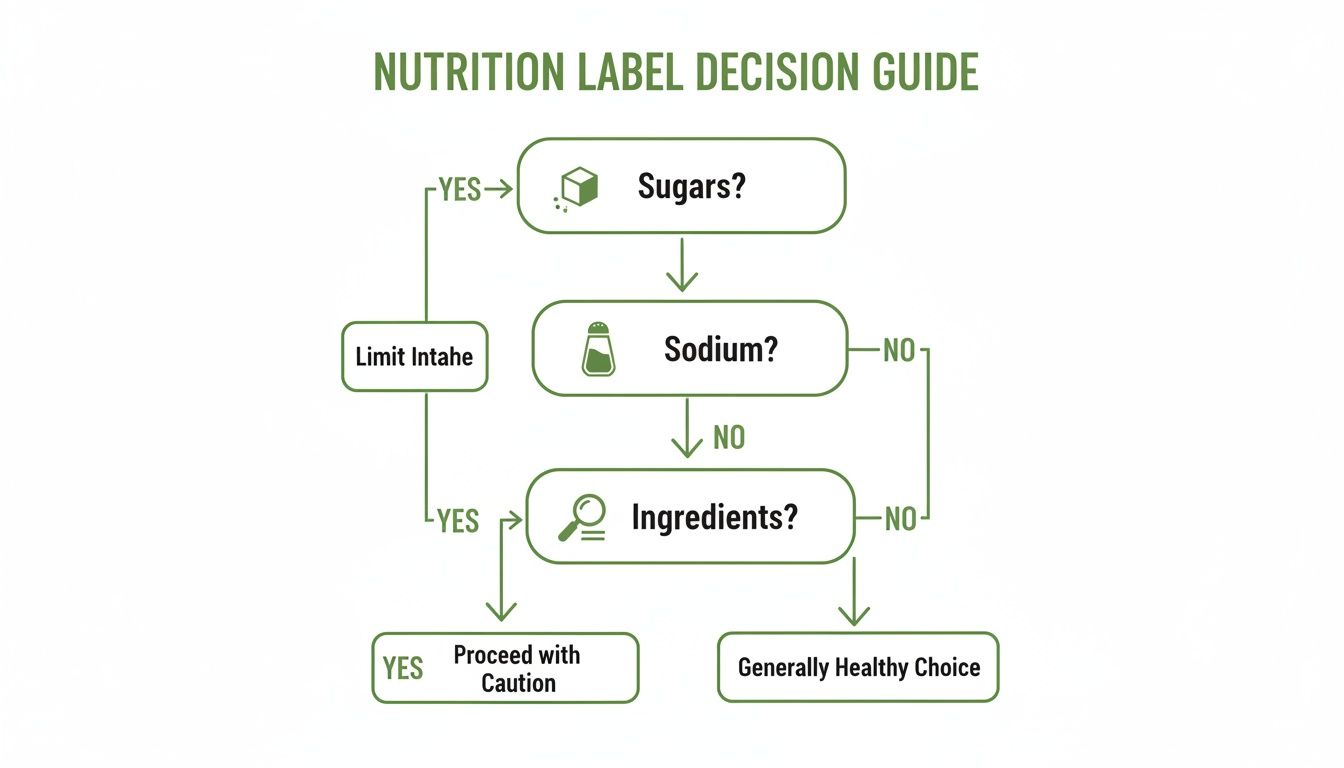
The key takeaway here? A truly healthy choice means looking past the flashy marketing and getting right to the nutritional core of the meal itself.
To make things even clearer, let’s break down the key differences between these three popular options.
Meal Solutions at a Glance
This table offers a side-by-side look at how ready meals, meal kits, and private chefs stack up on the features that matter most.
For busy individuals, healthy ready made meals are a practical solution that fits seamlessly into any schedule.
| Feature | Healthy Ready Made Meals | Meal Kits | Private Chef Service |
|---|---|---|---|
| Time Saved | Maximum (minutes to heat) | Moderate (cooking required) | Total (zero effort) |
| Customization | Low (pre-set options) | Medium (some choice) | High (fully personalized) |
| Cost | Low to Moderate | Moderate | Premium |
| Ingredient Quality | Varies by brand | Generally high | Highest, often local |
| Best For | Quick lunches, solo meals | Aspiring home cooks | Busy professionals, families |
Ultimately, whether you choose a simple ready meal, a hands-on meal kit, or a bespoke private chef, the goal is the same: to nourish your body without adding more stress to your life.
Best Practices for Storing and Preparing Your Meals
So, you’ve navigated the grocery aisle, decoded the labels, and picked out some great-looking healthy meals. Awesome! But the journey isn’t over. Now comes the final, crucial step: handling them correctly at home to lock in all that flavor, nutrition, and safety.
Think of it this way: you wouldn’t buy beautiful, fresh fish and then leave it on the counter for hours, right? The same principle applies here. How you store and prepare these meals is just as important as how you choose them. A few simple habits can make a world of difference.
And you’re not alone in this—the ready-meal market is a giant. We’re talking a global value of USD 116.08 billion in 2024, and it’s only getting bigger. More importantly, the healthy slice of that pie is growing fast as people demand nutritious convenience. You can see the market trends for yourself at intelmarketresearch.com. This boom means more choices for us, but it also means we need to be smarter about handling our food.
Smart Storage Starts the Second You Get Home
The clock starts ticking the moment you walk through the door with your groceries. Don’t let them languish in the car or on the kitchen counter. Getting your meals into the fridge or freezer right away is your first line of defense against spoilage and nutrient loss.
Proper storage of your healthy ready made meals is essential to maintain their quality and safety.
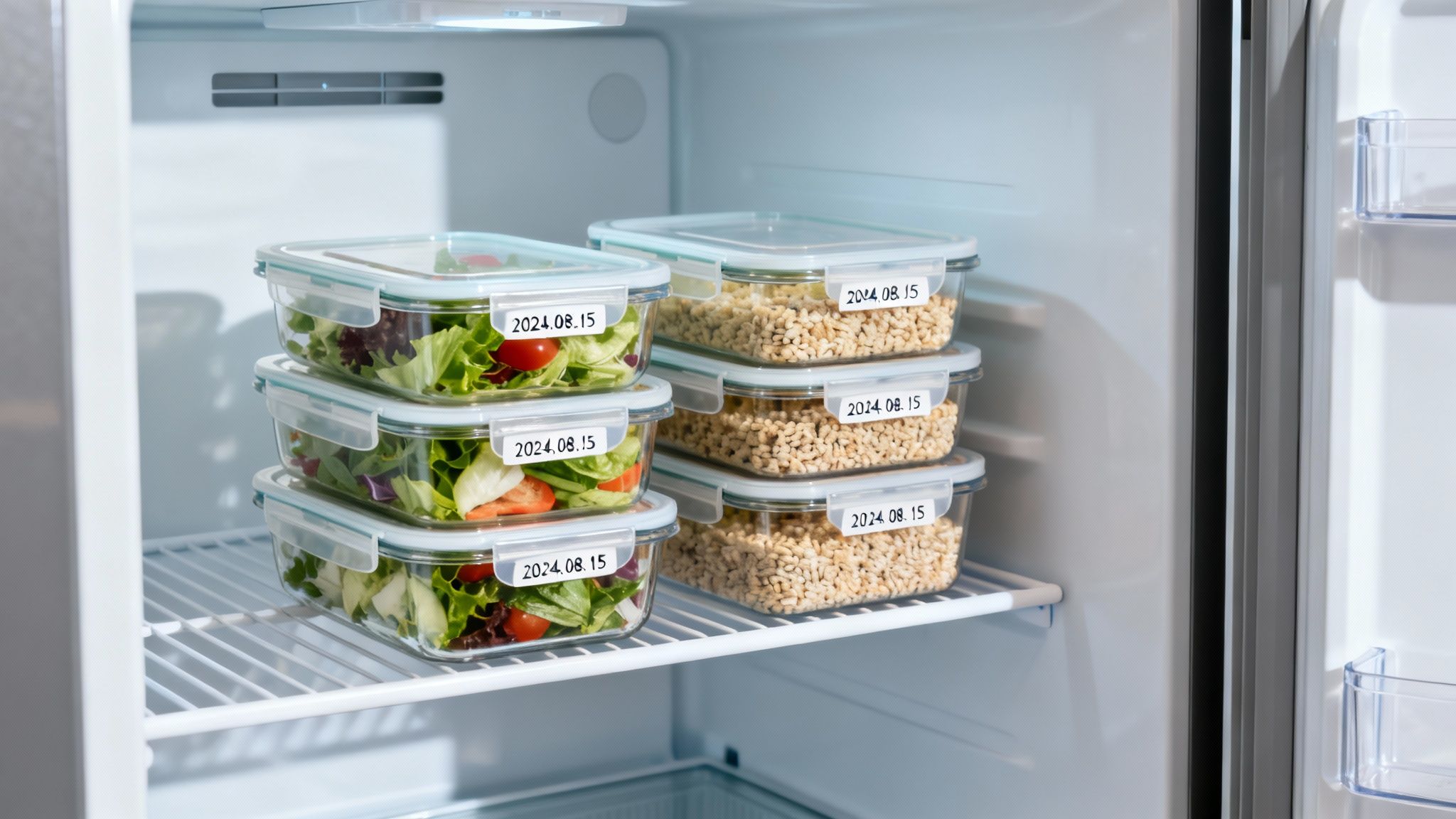
- Refrigeration: Fresh, ready-to-eat meals belong in the coldest part of your fridge—usually the back of the bottom shelf. For peak freshness and safety, make sure your refrigerator is set at or below 40°F (4°C).
- Freezing: If you know you won’t get to a meal before its use-by date, the freezer is your best friend. Just make sure it’s in a freezer-safe, airtight container to fend off freezer burn, which ruins both texture and taste.
A little organization goes a long way. I always keep the meals with the soonest expiration dates right at the front. It’s a simple trick that prevents forgotten food and wasted money.
A Quick Guide to “Use-By” vs. “Best-By”
Those dates on the package can be confusing. Let’s clear it up, because knowing the difference is vital for food safety.
- “Use-By” Date: Think of this as a hard deadline. It’s all about safety. You should eat the meal on or before this date. After this point, it might not be safe, even if it looks and smells perfectly fine.
- “Best-By” Date: This one is about quality, not safety. The meal will have its best flavor and texture up until this date. It’s usually safe to eat for a little while after, but you might notice it’s not quite as delicious.
Reheating: Getting It Right for the Best Taste
How you reheat your meal can make or break it. The microwave is the go-to for speed, but it’s not always the best choice for taste and texture.
- Read the Instructions First: The people who made the meal have tested it. Their recommendation is almost always the best way to bring it back to life.
- Use the Oven for Crispy Stuff: Anything that should be crispy—like roasted veggies, potatoes, or breaded chicken—belongs in the oven or a toaster oven. That even, dry heat is what restores its texture.
- The Stovetop Is Your Friend for Liquids: Soups, stews, curries, and anything with a sauce reheats beautifully in a pot over medium heat. You have way more control and can avoid those dreaded microwave hot spots.
- Microwave the Smart Way: If you do use the microwave, make sure to vent the container by cracking the lid. This lets steam escape. Stir everything halfway through heating, and most importantly, make sure it reaches an internal temperature of 165°F (74°C). That’s the magic number for killing any potential bacteria.
Nailing these simple storage and prep steps guarantees that your investment in healthy, convenient food pays off. Every meal will be as delicious and safe as it was meant to be. And if you’re inspired to take your prep skills to the next level, our guide on how to meal prep is a great place to start.
When you choose healthy ready made meals, you’re investing in both convenience and your health.
Bringing It All Together: A Week in Meals
Knowing the theory behind picking healthy ready-made meals is one thing, but seeing how they actually fit into a real, chaotic week is where the magic happens. Let’s move beyond concepts and map out what this looks like day-to-day. These examples show how to blend convenience, nutrition, and even a touch of luxury into an eating routine that’s sustainable and stress-free.
We’ll walk through two common scenarios. First, a weekly plan for a busy professional who needs peak efficiency without sacrificing their health. Second, a strategy for hosting an impressive, healthy dinner party that keeps you out of the kitchen.
A Sample Week for the Busy Professional
A variety of healthy ready made meals can help keep your weekly meals interesting and enjoyable.
Picture a demanding workweek, jammed with back-to-back meetings and looming deadlines. Cooking is the last thing on your mind, but you’re still committed to staying energized and focused. This is how you can intelligently mix high-quality ready meals with a couple of premium private chef creations for a balanced, delicious week.
Monday:
- Lunch: Kick off the week strong with a high-protein, store-bought meal like grilled salmon with quinoa and roasted asparagus. It’s a 3-minute solution that easily beats a sad desk salad.
- Dinner: Unwind with a hearty, pre-made lentil soup. It’s warming, packed with fiber, and requires zero thought after a long day.
Tuesday:
- Lunch: A ready-made chicken and avocado salad gives you a quick, light, and satisfying midday meal.
- Dinner: Tonight is your first private chef night. A perfectly cooked, portion-controlled steak with sweet potato mash and sautéed spinach is delivered—a true restaurant-quality experience without leaving home.
Wednesday:
- Lunch: Use the other half of your private chef delivery. The portion sizes are often generous enough for two meals, and leftover steak and veggies make for an incredible, effortless lunch.
- Dinner: Keep it simple with a healthy ready-made meal like a black bean burger patty alongside some pre-cut mixed greens.
By Wednesday, you’ve already saved hours of planning, shopping, and cooking time. This reclaimed time is a huge win for productivity and mental well-being, allowing you to focus on work or just relax.
Thursday:
- Lunch: Keep it simple with a pre-made Greek yogurt bowl topped with berries and nuts.
- Dinner: Time for your second private chef meal. Imagine a custom Thai green curry with brown rice, crafted to your exact spice preference. It’s the perfect, flavorful end to a busy day.
Friday:
Healthy ready made meals can simplify your week and ensure you maintain a balanced diet.
- Lunch: Leftover Thai curry from Thursday night. It’s just as delicious (if not more so!) the next day.
- Dinner: Celebrate the end of the week. You have the flexibility to go out with friends or enjoy another simple, healthy ready-made meal at home, completely stress-free.
Finding a service that aligns with your specific dietary needs is the key to making this work. You can start by finding the best meal prep companies for you to build a plan that fits your life perfectly.
Elevating a Special Occasion
Now, let’s shift gears. You’re hosting a dinner party for six guests on Saturday night. You want to impress, but the idea of spending the entire day chained to the stove is completely overwhelming. This is exactly where a private chef service transforms the experience from a chore into a joy.
Instead of hunting down dozens of ingredients and stressing over complex recipes, you have a single consultation with a chef. You discuss the event’s vibe, your guests’ preferences, and any dietary restrictions. From there, the chef handles absolutely everything else.
The Menu:
- Appetizer: A vibrant, chef-prepared burrata and heirloom tomato salad with a balsamic glaze.
- Main Course: Pan-seared scallops with a lemon-butter sauce, served over a creamy parmesan risotto and grilled asparagus.
- Dessert: A decadent yet surprisingly light dark chocolate avocado mousse.
The chef arrives, prepares the entire meal in your kitchen, serves each course beautifully, and then handles all the cleanup. You actually get to be a guest at your own party, engaging in conversation and creating memories. Your friends are treated to a personalized, healthy, and unforgettable dining experience that feels incredibly special. It’s the ultimate expression of sophisticated, effortless hosting.
Beyond just selecting healthy ingredients, a professional chef understands how to get the most out of them. You can learn some of their secrets with these expert tips to increase nutrient absorption for your own cooking.
Why a Private Chef Is the Ultimate Convenience
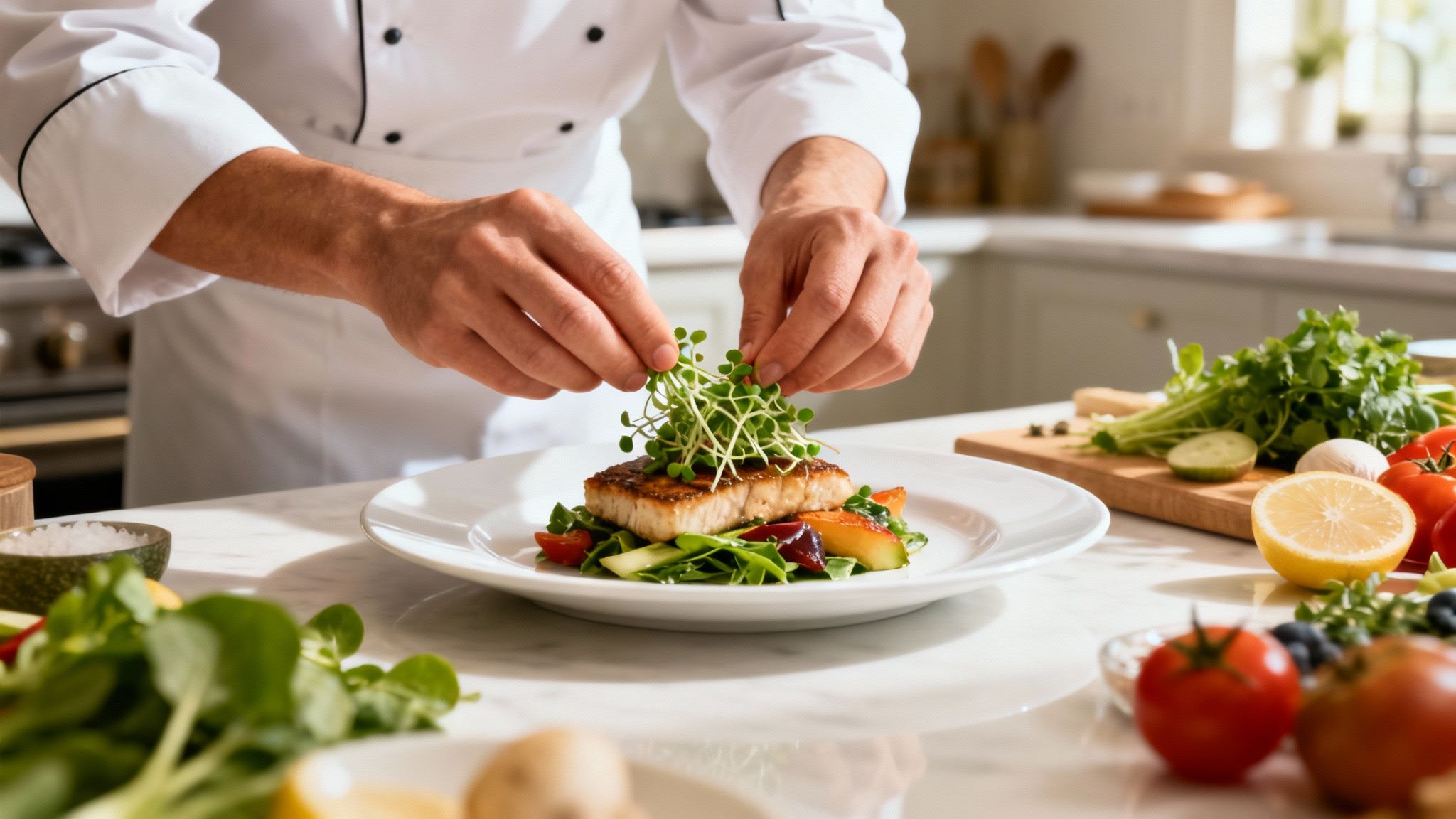
While healthy ready-made meals are a fantastic solution for hectic weeknights, a private chef service operates on an entirely different level. It’s not just about convenience; it’s about a completely personalized culinary experience. Think of it like this: a ready-made meal is a high-quality suit off the rack, but a private chef is a bespoke suit, tailored to your exact measurements. Both are great, but one is crafted exclusively for you.
A private chef isn’t just a cook—they become a partner in your health journey. The whole process starts with a simple conversation about your dietary goals, flavor preferences, and wellness ambitions. You just can’t find that depth of personalization in a pre-packaged meal.
Whether you’re short on time or just want to enjoy good food, healthy ready made meals can fit your needs.
Beyond the Meal Itself
The real value of a private chef goes far beyond the incredible food on your plate. It’s about getting back your most valuable asset: time. Imagine your entire week of meals—planned, shopped for, and prepped—without you lifting a finger. This kind of service handles every last detail, from sourcing the freshest ingredients at local markets to managing all the cleanup.
- Total Customization: Every single dish is designed around your needs. Whether you’re following a specific diet like Keto or Paleo, managing tricky allergies, or just have particular tastes, it’s all taken care of.
- Unmatched Ingredient Quality: Chefs often have relationships with local farms and specialty purveyors, guaranteeing a level of freshness and quality that mass-produced meals simply can’t compete with.
- Stress-Free Hosting: Got a dinner party coming up? A chef allows you to actually be a guest at your own gathering, enjoying the experience right alongside your friends and family instead of being stuck in the kitchen.
The ultimate luxury isn’t just eating well; it’s the peace of mind that comes from knowing your nutritional needs are being expertly managed, giving you more time and mental energy to focus on what matters most.
The True Meaning of Bespoke Dining
Hiring a private chef essentially transforms your home into an exclusive restaurant where you’re always the guest of honor. They bring a level of culinary creativity that turns everyday eating into something memorable. It’s an investment not just in convenient meals, but in your overall well-being and quality of life.
This premium option is more than a meal provider; it’s a lifestyle enhancement. For busy professionals, families with complex dietary needs, or anyone who values exceptional food without the work, a private chef offers an effortless and sophisticated solution that no other service can truly replicate.
Your Questions, Answered
Jumping into the world of ready-made meals can bring up a few questions. From cost concerns to freshness, it’s smart to get the full picture. Let’s tackle some of the most common curiosities to help you choose with confidence.
Understanding the benefits of healthy ready made meals can help you make informed dietary choices.
Are Ready-Made Meals Actually Healthy?
They absolutely can be, but it all comes down to making a smart choice. The term “ready meal” is a huge umbrella, covering everything from a preservative-loaded frozen pizza to a chef-prepared dish packed with organic, whole foods.
When considering healthy ready made meals, always look for quality ingredients to ensure your health is prioritized.
A truly healthy ready-made meal has an ingredient list you can actually recognize. Look for lean proteins, complex carbs, and a generous helping of vegetables. It’s all about using the skills we’ve talked about—reading labels and dodging meals overloaded with sodium, added sugars, and unhealthy fats. When you focus on quality, these meals are a fantastic way to stay nourished on even the most chaotic days.
Are These Meals More Expensive Than Cooking From Scratch?
It’s not as simple as comparing the price tags. While a single ready meal might seem pricier than the raw ingredients for one home-cooked dish, that’s not the whole story. Cooking at home often means buying ingredients in bulk, which can lead to a lot of food waste. In fact, studies show the average U.S. household ends up tossing 30-40% of its food.
When you factor in the time you save on planning, shopping, cooking, and cleaning up, ready-made meals often come out ahead. They’re a practical solution for busy people who value their time as much as their money.
Healthy ready made meals offer convenience without compromising on nutrition, making them a smart choice for busy lifestyles.
Ready meals cut out hidden costs like food waste and give you back your most valuable asset: time. Think of it as a smart investment in your well-being and productivity.
How Long Do Healthy Ready-Made Meals Last?
It really depends on whether they’re fresh or frozen. Here’s a quick guide:
Knowing how to properly store healthy ready made meals will help you maximize their shelf life and nutritional value.
- Fresh (Refrigerated) Meals: These are typically good for 3 to 5 days in the fridge. Always stick to the “use-by” date on the package—it’s there for your safety.
- Frozen Meals: When stored properly at 0°F (-18°C), frozen meals can keep their quality for several months. Freezing is a natural way to lock in nutrients without needing chemical preservatives.
No matter what, always follow the storage instructions on the label. Proper handling from the moment you bring them home is key to keeping your meals fresh and delicious.
Ready to experience the ultimate in dining convenience without compromising on health? Culinary Collective Atl brings bespoke private chef services right to your Atlanta home, alongside healthy ready made meals that cater to your nutritional needs. Explore our services and reclaim your time for what matters most with healthy ready made meals.
With healthy ready made meals, you can enjoy gourmet dining at home without the stress of cooking.