

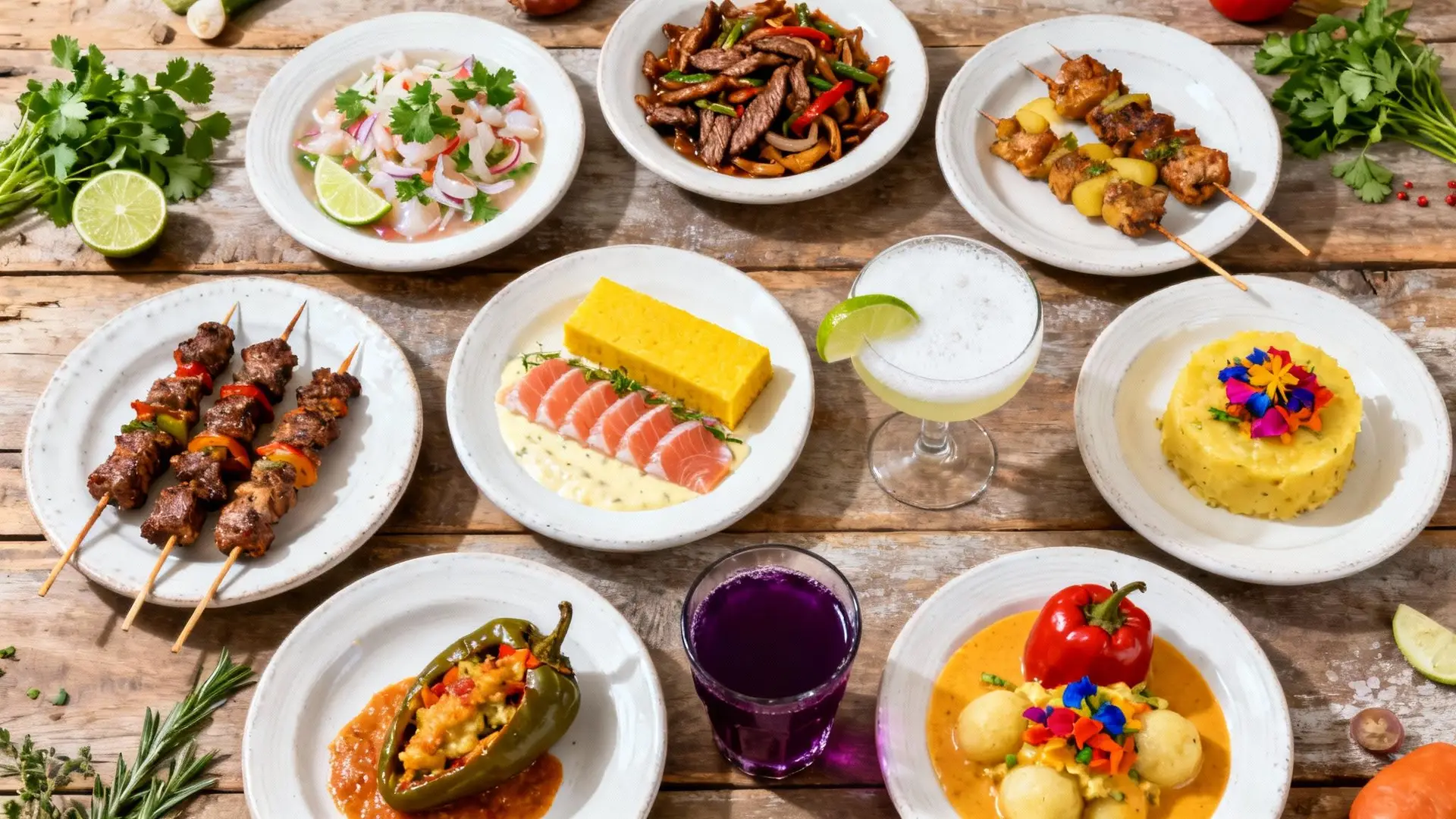
A Culinary Tour: 10 Of The Best Peruvian Dishes To Try In 2026
Peruvian cuisine is more than just food; it’s a vibrant tapestry woven from centuries of Incan heritage, Spanish colonial influence, and waves of Asian and African immigration. This rich fusion has created some of the world’s most exciting and diverse flavors. Thus, making it a global culinary powerhouse. For food enthusiasts and those planning an unforgettable private dining experience, understanding the stories and components behind these iconic plates is the first step to a truly memorable meal.
This guide is designed to be your definitive resource. It moves beyond simple descriptions to offer a comprehensive look at the best Peruvian dishes. We’ll journey through the top 10 most celebrated plates, providing a detailed breakdown for each one. You will learn about their unique origins, the essential ingredients that define their authentic taste, and their distinct flavor profiles. From the zesty and fresh to the rich and savory, we cover them all.
We’ve structured this listicle to be highly practical. It is especially useful for those considering private chef services for events, family meals, or vacation catering. For each dish, we will provide actionable insights and pairing recommendations. We’ll demonstrate how these culinary treasures can be adapted for any occasion. Whether you’re a seasoned foodie looking to deepen your knowledge or a host aiming to impress your guests with an authentic Peruvian feast, this roundup will equip you with the essential information. You will appreciate and select the perfect dishes for your culinary adventure. We will cover everything from the world-renowned Ceviche to the hearty Chupe de Camarones, ensuring you have a complete picture of Peru’s incredible gastronomic landscape.
1. Ceviche
No exploration of the best Peruvian dishes would be complete without starting with its national treasure: Ceviche. This iconic dish is a vibrant testament to Peru’s coastal bounty. It is a preparation where fresh, raw fish is marinated and “cooked” in a citrus-based liquid known as leche de tigre (tiger’s milk). This marinade, typically made from lime juice, sliced onion, cilantro, and fiery ají peppers, denatures the proteins in the fish. The result is an opaque, firm texture and a brilliantly refreshing flavor profile.
The dish beautifully captures the fusion of indigenous traditions with international influences. While coastal Peruvians have cured fish for centuries, the introduction of limes by the Spanish and the precise, fresh-fish techniques of Japanese immigrants (Nikkei cuisine) elevated ceviche to the art form it is today. The result is a dish that is simultaneously simple and complex. With bright acidity, a kick of spice, and the clean taste of the sea, it stands out among the best.
Key Variations and Flavor Profiles
Ceviche is incredibly versatile, with numerous regional and modern interpretations available for any private dining experience:
- Ceviche Clásico: Typically features a firm white fish like sea bass (corvina) or flounder (lenguado), keeping the focus purely on the quality of the fish and the balance of the leche de tigre.
- Ceviche Mixto: A seafood medley that often includes fish, shrimp, squid, and octopus, offering a delightful mix of textures and flavors.
- Ceviche Nikkei: A Japanese-Peruvian fusion that might incorporate ingredients like soy sauce, ginger, avocado, or nori for a distinct umami depth. This style shares its dedication to high-quality raw fish with another celebrated culinary tradition; you can learn more about the art of authentic Japanese sushi to appreciate the shared principles.
Tips for an Unforgettable Ceviche Experience
To ensure your ceviche is a showstopper, focus on freshness and presentation. The fish must be impeccably fresh and of sashimi-grade quality. The leche de tigre should be prepared just moments before mixing to preserve its bright, potent flavor. For a truly authentic touch, serve the ceviche chilled. Traditionally, it is accompanied by slices of creamy sweet potato (camote) and large-kernel Peruvian corn (choclo) to balance the acidity and heat.
2. Lomo Saltado
If Ceviche is the taste of the Peruvian coast, Lomo Saltado is the sizzling heart of its culinary soul. This beloved dish is a stunning representation of cultural fusion, specifically the Cantonese influence known as Chifa. It consists of tender strips of sirloin or beef tenderloin marinated in soy sauce and spices, then rapidly stir-fried in a wok with red onions, tomatoes, and spicy ají amarillo peppers. The entire mixture is then served alongside a mound of fluffy white rice and, in a unique Peruvian twist, a generous portion of crispy french fries.
The dish is a perfect marriage of Peruvian ingredients with Chinese cooking techniques. The wok (saltado means “jumped” or stir-fried) gives the beef a beautiful sear while keeping it juicy. The combination of soy sauce, vinegar, and beef juices creates an irresistible, smoky sauce. It soaks into both the rice and fries, making the dish comforting, hearty, and flavor-packed. This showcases why Lomo Saltado is one of the best Peruvian dishes and a global favorite.
Key Variations and Flavor Profiles
While the classic beef version is iconic, Lomo Saltado’s versatile format lends itself to many delicious interpretations. These are perfect for any private dinner menu:
- Lomo Saltado Clásico: The quintessential version using marinated beef sirloin, delivering a savory, slightly tangy, and smoky flavor that is deeply satisfying.
- Lomo Saltado de Pollo or Camarones: A popular alternative using chicken or shrimp, offering a lighter protein option while maintaining the dish’s signature stir-fried essence.
- Vegetarian Saltado: A creative twist using portobello mushrooms, firm tofu, or seitan as the star, absorbing the rich marinade for a hearty, plant-based meal.
Tips for an Unforgettable Lomo Saltado Experience
To capture the authentic Chifa spirit, technique is everything. Using a wok over very high heat is crucial for achieving the characteristic wok hei or smoky flavor. Prepare all your ingredients ahead of time (mise en place) as the cooking process is incredibly fast. For the best flavor, use a quality soy sauce in the marinade. If you’re exploring different types, you can find helpful information about a dark soy sauce substitute to adjust the flavor profile. Serve immediately to ensure the fries stay crisp and the beef remains perfectly tender.
3. Ají de Gallina
Transitioning from the bright, acidic flavors of the coast, we arrive at one of the most beloved comfort foods in the pantheon of best Peruvian dishes: Ají de Gallina. This rich, creamy, and mildly spicy dish consists of tender shredded chicken. It is enveloped in a velvety sauce made from ají amarillo (Peruvian yellow chili peppers), ground walnuts, Parmesan cheese, and bread soaked in milk. It is a hearty, soulful preparation that embodies the warmth and generosity of Peruvian home cooking.
The dish’s origins showcase Peru’s Creole, or criollo, heritage. It blends indigenous ingredients like the ají amarillo with European culinary techniques and components such as chicken, bread, and nuts. This fusion creates a uniquely Peruvian flavor that is both rustic and sophisticated. It makes a perfect centerpiece for a cozy private dinner or an elegant catered event. The vibrant yellow hue of the sauce, derived from the essential ají amarillo, is as visually appealing as its flavor is comforting.
Key Variations and Flavor Profiles
Ají de Gallina offers a wonderfully decadent experience, with several interpretations that can be tailored to specific tastes and dietary preferences for any occasion:
- Ají de Gallina Clásico: The quintessential version features shredded hen or chicken in the traditional yellow pepper and walnut sauce, served over potatoes and accompanied by rice, a hard-boiled egg, and black olives.
- Vegetarian/Vegan Adaptation: A popular modern twist substitutes the chicken with ingredients like mushrooms, artichoke hearts, or cauliflower, while dairy can be replaced with plant-based milks and nutritional yeast to mimic the creamy texture.
- Gourmet Interpretation: Elevated versions might use high-quality, free-range chicken, incorporate a touch of saffron into the broth for added complexity, or use premium nuts like pecans for a different textural and flavor note. Its role as a celebratory meal is deeply embedded in cultural traditions, much like those you can discover when learning about Day of the Dead traditional foods.
Tips for an Unforgettable Ají de Gallina Experience
To master this classic, focus on building layers of flavor and achieving the perfect creamy consistency. The sauce is the star, so preparing it a day in advance allows the flavors to meld and deepen significantly. Use a high-quality poached or rotisserie chicken for tender, flavorful meat that shreds easily. Toasting the walnuts before grinding them will unlock a richer, nuttier aroma. For service, present it in shallow bowls with vibrant garnishes like a sprinkle of paprika, fresh cilantro, or edible flowers. This creates a stunning visual contrast against the golden sauce.
4. Causa Limeña
Among the most visually stunning and historically rich of the best Peruvian dishes is the Causa Limeña. This elegant, layered cold appetizer is a culinary work of art. It features a smooth, vibrant purée of yellow potato seasoned with lime juice and the fruity heat of ají amarillo chili paste. This colorful potato base serves as the foundation for a variety of delicious fillings, creating a dish that is as sophisticated in flavor as it is in appearance.
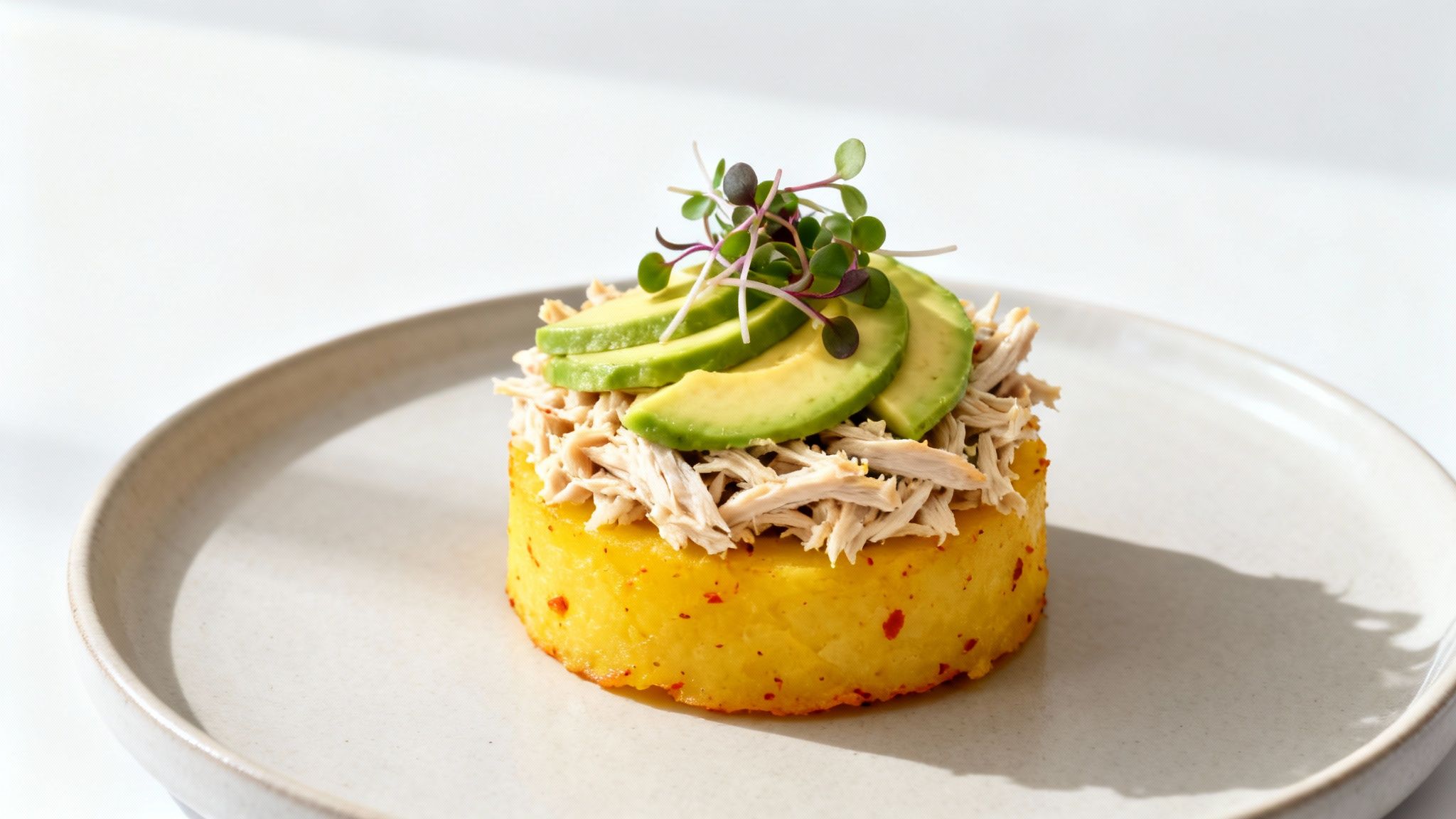
The name causa is said to originate from the Quechua word kausay, meaning “life” or “sustenance.” This highlights the potato’s vital role in Andean culture for millennia. Its modern form, however, reflects Peru’s layered history. It combines pre-Columbian ingredients with European influences like lime and mayonnaise. Today, celebrated chefs like Gastón Acurio have elevated it into a fine-dining staple, showcasing its incredible versatility. This makes it a perfect make-ahead option for upscale private events.
Key Variations and Flavor Profiles
Causa Limeña is a blank canvas for culinary creativity. It allows for countless interpretations that cater to diverse palates. Popular variations include:
- Causa de Pollo: The classic version, filled with a creamy shredded chicken salad bound with mayonnaise and sometimes studded with diced vegetables.
- Causa de Mariscos: A coastal favorite featuring a mix of fresh seafood like shrimp, crab, or octopus, often lightly dressed in a lime-based sauce.
- Causa Nikkei: This Japanese-Peruvian fusion showcases fresh, sashimi-grade tuna, avocado, and tobiko, often seasoned with a hint of soy or wasabi.
- Causa Vegetariana: A bright and refreshing option filled with layers of roasted vegetables, avocado, and hard-boiled eggs.
Tips for an Unforgettable Causa Experience
The beauty of Causa lies in its refined presentation and chilled, refreshing flavors. To craft a perfect Causa, prepare the potato base and fillings separately ahead of time. Use a ring mold to assemble the layers neatly, ensuring a professional, uniform look for each portion. Always keep the components chilled before plating to maintain the dish’s integrity and cool temperature. For a stunning finish, garnish with vibrant elements like a slice of avocado, a sliver of red pepper, fresh microgreens, or a hard-boiled quail egg. These add color, texture, and visual appeal.
5. Anticuchos
Venturing into the heart of Peruvian street food and grilling traditions, we find Anticuchos. These are flavorful, marinated meat skewers grilled to smoky perfection. They are most iconically made with beef heart (anticuchos de corazón). This dish is a powerful symbol of Peru’s culinary resourcefulness. It transforms a humble ingredient into a national delicacy through a potent marinade of vinegar, cumin, garlic, and vibrant ají panca, a mild, smoky Peruvian chili pepper.
The origins of Anticuchos are deeply rooted in both pre-Columbian and Afro-Peruvian history. Indigenous Andeans grilled llama meat. Yet, the Spanish introduction of cattle and the influence of enslaved Africans, who were often given offal cuts, led to the creation of the beef heart skewer. Today, this beloved staple has transcended its street food origins. It has become a must-have item in both rustic chicherías and high-end restaurants. This showcases its versatility and irresistible, smoky flavor.
Key Variations and Flavor Profiles
While beef heart is the classic choice, the anticucho marinade is versatile enough to elevate various proteins and vegetables. This makes it a perfect, customizable option for private dining events:
- Anticuchos de Corazón: The traditional and most authentic version, featuring tender, flavorful beef heart with a signature smoky char.
- Anticuchos de Pollo: A popular alternative using chicken thighs or breast, offering a milder flavor that absorbs the spicy, tangy marinade beautifully.
- Anticuchos de Pescado: Firm fish like swordfish or mahi-mahi are excellent candidates for grilling, taking on a smoky essence that complements their natural sweetness.
- Anticuchos de Vegetales: A fantastic vegetarian option using mushrooms, bell peppers, zucchini, and onions, providing a smoky and satisfying bite for all guests.
Tips for an Unforgettable Anticuchos Experience
To capture the authentic essence of one of the best Peruvian dishes, focus on the marinade and the grilling technique. The protein should marinate for at least four hours, or ideally overnight, to fully absorb the complex flavors. If using wooden skewers, soak them in water for 30 minutes to prevent them from burning on the high-heat grill.
For cooking, a quick sear over hot coals is essential to achieve a perfect char on the outside while keeping the interior juicy and tender. Serve the hot skewers immediately, traditionally with a side of boiled potatoes, large-kernel corn (choclo), and a zesty ají sauce for dipping.
6. Papa a la Huancaína
A true icon of Andean comfort food, Papa a la Huancaína is a deceptively simple yet profoundly flavorful dish. It holds a cherished place among the best Peruvian dishes. This beloved appetizer or side dish features tender boiled potatoes, typically the creamy yellow variety. They are bathed in a vibrant, velvety cheese sauce. The sauce, named after the city of Huancayo, gets its signature golden hue and gentle heat from the essential ají amarillo (yellow pepper), blended with fresh cheese (queso fresco), evaporated milk, and soda crackers for thickness.
While its origins are debated, its popularity is undeniable. The dish strikes a perfect balance between the earthy potato, the creamy and slightly spicy sauce, and the traditional garnishes of hard-boiled egg and black botija olives. It’s a stunning example of how Peruvian cuisine transforms humble ingredients into a culinary masterpiece, celebrated in homes and high-end restaurants alike, often thanks to modern interpretations by chefs like Gaston Acurio.
Key Variations and Flavor Profiles
Papa a la Huancaína serves as a brilliant canvas for creativity. It is a versatile option for any private dining menu:
- Traditional Papa a la Huancaína: Served chilled or at room temperature, this classic presentation involves sliced boiled yellow potatoes on a bed of lettuce, generously topped with the creamy sauce and garnished.
- Modern Plated Version: Contemporary chefs often elevate the presentation using purple potatoes for a striking color contrast, adding delicate microgreens, or drizzling the sauce artfully.
- Vegetable-Enhanced Variation: Some interpretations incorporate other vegetables into the dish, such as blanched corn kernels or peas mixed into the sauce, adding textural variety and sweetness.
- As a Sauce for Other Dishes: The salsa Huancaína is so popular it’s often served over other dishes like pasta (tallarines a la Huancaína), yucca, or even grilled chicken skewers.
Tips for an Unforgettable Papa a la Huancaína Experience
Creating a show-stopping Papa a la Huancaína is all about balance and technique. For an exceptional result, use a mix of yellow and purple potato varieties for visual appeal and different textures. The secret to a perfect sauce is to blend it until completely smooth. Adjust its consistency with a little of the potato cooking water or extra milk if needed. For the best flavor absorption, pour the sauce over the potatoes while they are still slightly warm. Plate just before serving and top with vibrant garnishes for a photo-ready presentation that delights the eyes as much as the palate.
7. Sudado de Pescado
For those seeking a lighter, yet deeply flavorful, representation of Peru’s coastal cuisine, Sudado de Pescado is a perfect choice. The name translates to “sweated fish,” which beautifully describes the gentle cooking process. This elegant dish involves slowly steaming a fresh fish fillet in a savory, aromatic broth made from onions, tomatoes, cilantro, and a subtle touch of ají amarillo chili. The fish releases its juices into the broth, creating a delicate, fragrant, and incredibly comforting final product.
This preparation is a cornerstone of traditional Peruvian home cooking and a staple in coastal cebicherías. It embodies a healthy, clean-eating philosophy without sacrificing rich flavor. The magic of Sudado de Pescado lies in its simplicity and its reliance on high-quality ingredients. It’s a dish that warms the soul and showcases how minimal intervention can produce maximum flavor. Therefore, it ranks amongst the best Peruvian dishes for a sophisticated and health-conscious palate.
Key Variations and Flavor Profiles
Sudado de Pescado is wonderfully adaptable. It allows the featured fish to be the star. It is an excellent option for private dining events focused on wellness or coastal themes.
- Sudado de Mero (Grouper): A classic choice, as grouper’s firm, meaty texture holds up beautifully to the steaming process, absorbing the broth’s flavors without falling apart.
- Sudado de Lenguado (Sole): Using a delicate fish like sole results in a much softer, finer texture that melts in your mouth, ideal for a more refined presentation.
- Vegetable-Enriched Sudado: Often enhanced with yucca, potatoes, or other vegetables that are added to the broth to steam alongside the fish, creating a heartier, one-pot meal.
Tips for an Unforgettable Sudado Experience
To elevate this seemingly simple dish, precision and presentation are key. The goal is to cook the fish perfectly so it is moist and flaky. For a theatrical touch at a private dinner, consider cooking the dish en papillote (in a parchment paper pouch) and opening it tableside to release the incredible aromas. The fish must be impeccably fresh, sourced on the day of service for the best results. Serve the Sudado in shallow bowls with a side of white rice to soak up the exquisite broth. Finish with a squeeze of fresh lime juice and a sprinkle of chopped cilantro.
8. Rocoto Relleno
A bold and visually stunning representation of Andean heartiness, Rocoto Relleno is a standout among the best Peruvian dishes. Originating from the “White City” of Arequipa, this dish features the rocoto pepper. It is a spicy, thick-fleshed chili resembling a bell pepper but packing a significant punch. The peppers are carefully hollowed out and stuffed with a rich, savory filling of minced meat, onions, garlic, peanuts, olives, and hard-boiled egg. They are then baked until tender and topped with melted queso fresco.
The preparation itself is a labor of love. It traditionally involves a meticulous process to tame the rocoto’s intense heat without losing its distinctive fruity flavor. This involves boiling the peppers multiple times, often with sugar and vinegar, before they are filled. This careful balance of intense spice, savory filling, and creamy cheese creates a complex and deeply satisfying dish. It is both rustic and refined, a true jewel of Arequipa’s regional gastronomy.
Key Variations and Flavor Profiles
Rocoto Relleno offers a fantastic canvas for both traditional and modern culinary interpretations. It makes for a memorable centerpiece for any private dining menu:
- Rocoto Relleno Arequipeño: The classic version, served with a side of pastel de papa, a layered potato gratin with cheese and egg. The filling is robust, featuring spiced ground beef or pork.
- Vegetarian Rocoto Relleno: A popular modern adaptation that replaces the meat with a mixture of mushrooms, quinoa, and vegetables, offering a lighter yet equally flavorful experience.
- Modern Interpretations: High-end chefs often deconstruct the dish or use elevated ingredients in the filling, such as lamb or alpaca, plating it with artistic drizzles of creamy sauces and vibrant microgreens.
Tips for an Unforgettable Rocoto Relleno Experience
To master this iconic dish, focus on balancing its powerful flavors and achieving the perfect texture. Sourcing authentic rocoto peppers is key; look for them in specialty Latin markets. It’s crucial to properly de-vein and boil the peppers to manage their heat level according to your guests’ preferences. For a seamless event, the savory filling can be prepared a day in advance. When serving, ensure the cheese is perfectly melted and bubbly. Present it alongside its traditional potato gratin partner to offer a comforting counterpoint to the pepper’s delightful spice.
9. Tiradito
Tiradito represents the elegant evolution of raw fish preparations in Peru. It is a dish that beautifully marries the country’s love for citrus and chili with the refined slicing techniques of Japanese sashimi. Unlike its cousin, ceviche, where fish is cubed and marinated, Tiradito features paper-thin slices of raw fish. These are artfully arranged on a plate and bathed in a piquant sauce just before serving. This method preserves the delicate texture of the fish, allowing its natural flavor to shine through. The sauce complements it rather than overwhelming.
The dish is a quintessential example of Nikkei cuisine. This highlights the influential fusion of Japanese and Peruvian culinary traditions. It’s believed to have originated from Japanese immigrants who adapted their sashimi preparations using local Peruvian ingredients like lime and ají peppers. Modern chefs, most notably Gastón Acurio, have elevated Tiradito into a canvas for culinary creativity. This makes it a staple in contemporary Lima fine dining and a sophisticated choice for any private event.
Key Variations and Flavor Profiles
Tiradito’s beauty lies in its elegant simplicity and the vibrant sauces that accompany the pristine fish. It’s a dish designed to impress both visually and gastronomically:
- Tiradito Clásico: The most traditional version features a vibrant, cold sauce made from lime juice and puréed ají amarillo (yellow chili pepper), creating a creamy, spicy, and tangy dressing that perfectly coats the fish.
- Tiradito Nikkei: This variation leans more heavily into its Japanese roots, often incorporating ingredients like soy sauce, ginger, passion fruit (maracuyá), and miso into the sauce for a complex, umami-rich profile.
- Shellfish Tiradito: Scallops (conchas) are a popular alternative to fish, with their sweet, delicate flavor providing an excellent base for a variety of sauces, from classic ají amarillo to rocoto-based creations.
Tips for an Unforgettable Tiradito Experience
To master this standout among the best Peruvian dishes, precision and quality are paramount. The fish must be of the highest sashimi-grade quality, sourced from a trusted professional supplier. Use a razor-sharp knife to achieve clean, uniform slices. Chilling the fish in the freezer for about 30 minutes beforehand will make it firmer and easier to cut. Always prepare the sauce components ahead of time. However, only pour it over the fish at the last possible moment before serving. Plating on a chilled surface is crucial to maintain the ideal temperature and preserve the integrity of the dish.
10. Chupe de Camarones
For a truly decadent taste of Peru’s coastal sophistication, Chupe de Camarones stands out as one of the best Peruvian dishes. This luxurious and hearty shrimp chowder is far more than a simple soup. It is a complex, richly layered meal in a bowl. Originating from the city of Arequipa, it combines a creamy, flavorful broth made from shrimp stock, ají panca (a mild, smoky red pepper), milk, and fresh cheese with a generous serving of whole shrimp, potatoes, corn, and often a poached egg.
The dish is a masterful blend of Andean and coastal ingredients. It showcases Peru’s ability to create deeply satisfying comfort food that is also elegant enough for fine dining. Its vibrant red-orange hue and complex flavor profile, which is at once spicy, savory, and creamy, make it a memorable centerpiece for any culinary event. The combination of textures from the tender shrimp, starchy potatoes, and melting cheese makes every spoonful a new discovery.
Key Variations and Flavor Profiles
Chupe de Camarones can be adapted for any occasion. It ranges from a rustic family meal to an elegant first course at a private dinner:
- Chupe de Camarones Clásico: The traditional Arequipeñan version is a robust, full-bodied chowder featuring large river shrimp, queso fresco, broad beans (habas), and a poached egg, delivering a truly authentic and filling experience.
- Luxury Chupe: Upscale restaurant versions, popularized by chefs like Gastón Acurio, often refine the broth with a splash of white wine or even a touch of Pisco or cognac for added depth and aroma, elevating it to a gourmet level.
- Contemporary Plating: Modern chefs may deconstruct the dish, serving a concentrated, velvety broth in a smaller bowl with perfectly cooked shrimp and artfully arranged vegetables, focusing on presentation and intense flavors.
Tips for an Unforgettable Chupe Experience
To make your Chupe de Camarones a culinary triumph, focus on building a deep flavor base and preserving the texture of the main ingredients. Prepare the shrimp stock a day or two in advance, allowing the flavors to fully meld and intensify. The shrimp themselves should be added just moments before serving to ensure they remain succulent and tender, never rubbery. Serve this magnificent chowder in pre-warmed bowls and garnish with fresh cilantro or a sprinkle of paprika for a vibrant finish.
Top 10 Peruvian Dishes Comparison
| Dish | Complexity 🔄 | Resources ⚡ | Expected outcome ⭐📊 | Ideal use cases 💡 | Key advantages ⭐ |
|---|---|---|---|---|---|
| Ceviche | Low–Moderate — precise acid curing and timing | High-quality sashimi-grade fish, citrus; minimal equipment | Refreshing, high visual impact; best consumed fresh | Upscale appetizers, cocktail hour, private dinners | Quick prep, healthful, gluten-free, adaptable |
Lomo Saltado |
Moderate–High — requires high-heat wok technique | High-powered stove/wok, quality beef, fresh produce | Bold, savory, crowd-pleasing; best served immediately | Corporate dinners, family-style, live cooking demos | Scalable, versatile proteins, strong tableside appeal |
| Ají de Gallina | Moderate — sauce technique; make-ahead friendly | Ají amarillo paste, dairy, shredded chicken; standard kitchen tools | Rich, comforting, elegant; reheats well | Intimate dinners, vacation rentals, family gatherings | Make-ahead, scalable, sophisticated comfort food |
Causa Limeña |
Moderate — time-intensive layering/assembly | Yellow potatoes, ají amarillo, molds; refrigerated prep space | Elegant cold appetizer, striking presentation; buffet-friendly | Upscale appetizers, plated first courses, buffets | Fully make-ahead, high visual impact, gluten-free |
| Anticuchos | Moderate — marinade and quick grilling; timing critical | Grill/charcoal, skewers, marinated proteins; outdoor capability helpful | Smoky, interactive bites; best served hot off grill | Cocktail receptions, outdoor events, interactive dining | Memorable char, portable for passed service, advance marination |
Papa a la Huancaína |
Low — simple cooking and assembly | Potatoes, ají amarillo sauce, dairy; minimal equipment | Colorful, vegetarian-friendly side/appetizer at room temp | Vegetarian menus, buffets, family-style lunches | Cost-effective, make-ahead, visually striking |
| Sudado de Pescado | Moderate — gentle steaming/timing precision | Ultra-fresh white fish, stovetop, broth ingredients | Light, healthy, delicate; must be served immediately | Corporate wellness menus, elegant seafood dinners | Healthful, elegant, gluten-free, restaurant-quality |
Rocoto Relleno |
High — stuffing, balancing heat and textures | Specialty rocoto peppers, nuts, dairy; oven and skilled prep | Bold, rich, visually striking; portion control advised | Adventurous tasting menus, regional Peruvian dinners | Memorable flavor depth, impressive individual plating |
| Tiradito | High — requires sashimi-grade slicing skills | Sashimi-grade fish, sharp knives, chilled plating surfaces | Highly refined, artistic; expensive ingredient costs | VIP tasting menus, exclusive private dinners | Restaurant-quality presentation, minimal advance work |
Chupe de Camarones |
Moderate — broth development and timing | Quality large shrimp, stock, dairy; warming/serving equipment | Luxurious, substantial first course; rich and comforting | Elegant first courses, seafood-focused menus | Make-ahead broth, scales well, luxury ingredient showcase |
Bring the Flavors of Peru to Your Next Event
Our journey through the ten best Peruvian dishes reveals a culinary tradition defined by diversity, history, and extraordinary flavor. From the crisp, citrus-forward bite of Ceviche to the comforting, creamy warmth of Ají de Gallina, each recipe is more than just a list of ingredients. It is a vibrant expression of Peru’s unique cultural fusion, a testament to its varied geography, and an invitation to experience a rich gastronomic heritage.
As we’ve explored, understanding these dishes goes beyond simply following a recipe. True mastery lies in appreciating the nuances that elevate a good meal to an unforgettable experience. It’s about knowing why Lomo Saltado requires a blistering hot wok for that signature wok hei smokiness, or how the delicate balance of lime, ají, and fish in Tiradito relies on perfectly fresh, high-quality ingredients.
Key Takeaways for Your Culinary Journey
To truly capture the essence of Peru on a plate, remember these core principles that weave through all of its most celebrated dishes:
- Ingredient Integrity is Paramount: The vibrancy of Peruvian cuisine starts with its ingredients. The freshness of the fish in Sudado de Pescado, the specific heat of the rocoto pepper in Rocoto Relleno, and the starchy perfection of the potatoes in Causa Limeña are non-negotiable for authentic flavor. Sourcing matters.
- Balance is an Art Form: Peruvian cooking is a masterclass in balancing contrasting flavors and textures. It’s the acidic “leche de tigre” cutting through rich fish, the creamy Huancaína sauce complementing starchy potatoes, and the savory beef balanced by tangy vinegar in Lomo Saltado.
- Technique Defines the Dish: The method is as crucial as the materials. The quick marination of Ceviche is fundamentally different from the slow-cooked tenderness required for Chupe de Camarones. The grilling technique for Anticuchos imparts a char and smokiness that cannot be replicated in an oven.
Putting It All Into Practice at Your Event
Translating this knowledge into a successful event, whether it’s an intimate dinner party or a large corporate retreat, requires careful planning and execution. Imagine hosting a gathering where guests can experience a spectrum of these flavors. You could start with light, elegant appetizers like Causa Limeña or Tiradito, followed by show-stopping mains.
For a larger, buffet-style event, consider serving dishes that hold well and cater to diverse palates. A rich Ají de Gallina or a hearty Lomo Saltado are excellent choices. If you’re looking to cater a large gathering, understanding how to select and utilize appropriate serving equipment is key. For instance, when planning a Peruvian feast for many, consider choosing the right chafing dishes to ensure dishes like Chupe de Camarones or Sudado de Pescado remain at the perfect temperature for your guests.
By embracing these dishes, you are not just serving food; you are curating an experience. You are sharing stories of Incan traditions, Spanish influence, and Asian fusion that have combined to create one of the world’s most exciting cuisines. This is your opportunity to move beyond the expected and offer a memorable, flavorful journey that will leave a lasting impression.
Ready to bring the authentic, vibrant flavors of Peru to your table without the stress of sourcing and preparation? The chefs at Culinary Collective Atl specialize in creating bespoke menus featuring the best Peruvian dishes, tailored perfectly for your private event. Let us handle every detail so you can enjoy a truly unforgettable culinary experience with your guests.