

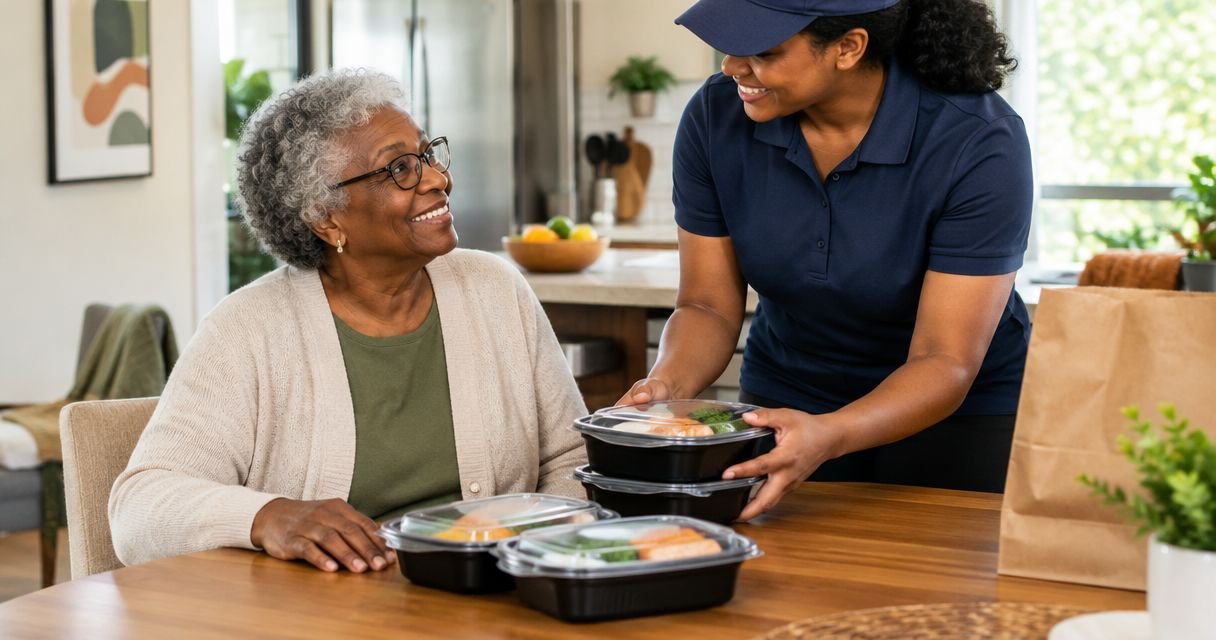
Choosing meal prep services for seniors in Atlanta comes down to four options: a private chef who cooks in the home, medically tailored meal delivery, community meal programs, and grocery-store ready meals. This 2026 guide ranks them by who each one fits.
- Best overall in 2026: a private chef who preps weekly in the senior’s own kitchen.
- Best for strict medical diets: medically tailored meal delivery, ideally with a dietitian’s sign-off.
- Best for tight budgets: community meal programs reached through your local Area Agency on Aging.
- Culinary Collective ATL is not accepting new weekly meal prep clients right now.
Best overall: a private chef who preps in the home. Best for medical diets: medically tailored meal delivery. Best for tight budgets: community meal programs. Best for independent seniors: grocery-store ready meals.
A disclosure first. Culinary Collective ATL is a private chef service led by Chef Rob, and its weekly meal prep schedule is currently full. It is not taking new weekly meal prep clients in 2026. This guide is a decision tool for the category, not a pitch for a spot we cannot offer.
Why this matters in 2026
When an aging parent stops cooking, the usual causes are fatigue, balance, vision, or a new diet after a diagnosis. The result is the same: skipped meals, too much sodium from convenience food, or a fridge full of things nobody finishes.
The CDC notes that older adults face a higher risk of serious illness from foodborne bacteria. That makes who handles the food, and how it is stored, a real part of the decision rather than a footnote.
Most Atlanta families in 2026 compare the same four routes. They differ on three things: how personal the menu is, how much medical oversight comes with it, and how much work lands on the family.
What makes a good meal prep option for seniors
Judge every option against these criteria before you compare anything else.
- Dietary fit. Low sodium, diabetic-friendly, heart-healthy, or texture-modified meals must be handled by someone who understands the diet, not just a menu label.
- Food safety. Look for ServSafe-level training, proper chilling, and clear storage and reheating instructions.
- Flavor and variety. Seniors skip meals they do not enjoy. A menu that repeats weekly gets abandoned.
- Reliability. The same day, the same window, every week. Missed deliveries create gaps in nutrition.
- Effort required from the family. Ordering, shopping, and portioning all count as work.
- Accountability. Insurance, background checks for in-home service, and a named person to call.
Four options at a glance
| Option | Best for | Standout feature | Key limitation |
|---|---|---|---|
| Private chef weekly prep | Seniors who want real food made to their taste | Menus built around one person's diet and preferences | Highest cost; availability is limited |
| Medically tailored meal delivery | Seniors with a diagnosed condition and diet orders | Meals designed to a clinical diet | Less personal; menus are fixed |
| Community meal programs | Seniors on a tight budget or living alone | Low or no cost, often with a wellness check element | Eligibility rules, waitlists, limited choice |
| Grocery-store ready meals | Seniors who can still heat and shop on their own | Available today, no sign-up | Sodium and portion control are on you |
1. Private chef weekly prep: best overall for personalized meals
A private chef shops, cooks, portions, labels, and cleans up in the senior's own kitchen. The menu is built around one person: their diagnosis, their dislikes, the foods they grew up on.
This is the only option on the list where the person eating gets to say "not that, more of this" and see it change the following week. That feedback loop is why it ranks first.
Private chef pros:
- Menus are written for one person, not a population.
- Fresh cooking, with the chef working around allergies and texture needs.
- No ordering, no shopping, no kitchen cleanup for the family.
- One accountable person to call.
Private chef cons:
- It is the most expensive route per meal. Ask for pricing in writing, with chef fees and grocery costs separated.
- Good chefs book out. Many have waitlists, and ours is full for weekly prep right now.
- A chef cooks to your instructions. If the doctor sets strict limits, bring the written diet orders.
Private chef pricing: varies by chef. Get a written quote that separates the chef's fee from food costs.
Best for: families who want a daily-life upgrade, not just calories. Verdict: Buy if the budget allows and the chef will work from written diet orders.
What to ask a private chef before you hire
- Are you ServSafe Certified, and can I see it?
- Do you carry liability insurance, and for how much?
- Will you work from my parent's written diet instructions?
- How do you label, date, and store each meal?
- Who do I call if you are sick on cook day?
Culinary Collective ATL answers yes to the first two: Chef Rob is ServSafe Certified, the company carries $2M in liability insurance, and he brings 45 years of experience. Weekly prep is simply not open to new clients right now.
2. Medically tailored meal delivery: best for strict medical diets
These services design meals to a clinical diet, such as renal, diabetic, or cardiac, and ship them ready to heat. Some are staffed with dietitians and work with health systems.
Some Medicare Advantage plans include a limited meal benefit, often after a hospital stay. Original Medicare generally does not cover home-delivered meals. Call the plan and ask exactly what is covered and for how long.
Medically tailored pros:
- Diets are built by people trained in them.
- Zero cooking, zero shopping.
- Possible insurance coverage in some plans.
Medically tailored cons:
- Menus rotate but are not personal. A parent who dislikes the entrée has no recourse.
- Packaged, reheated food gets tiresome.
- Coverage rules are narrow.
Best for: a senior with a clear diagnosis and doctor-ordered diet. Verdict: Buy for strict clinical diets; Hold if taste and variety matter more than the diet orders.
3. Community meal programs: best for tight budgets
Meals on Wheels and congregate meal sites are the backbone of senior nutrition support across the country. In metro Atlanta, the Atlanta Regional Commission serves as the Area Agency on Aging and is the right first call to learn what is offered in your county.
These programs are built for older adults, and many pair the meal with a friendly check-in. For a parent who lives alone, that visit can matter as much as the food.
Community program pros:
- Low or no cost, depending on eligibility.
- Built-in contact with another person.
- Designed for older adults.
Community program cons:
- Eligibility screening and possible waitlists.
- Limited menu choice and fixed delivery windows.
- Diet customization is limited.
Best for: seniors on fixed incomes, or as a backstop alongside another option. Verdict: Buy as a safety net, even if you also hire a chef.
4. Grocery-store ready meals: best for independent seniors
Prepared meals from grocery delis and frozen aisles need no sign-up. For a senior who still drives, shops, and uses a microwave, this is the easiest start.
The weak point is label reading. Sodium and portion sizes vary widely, and a parent managing blood pressure or diabetes needs someone checking labels.
Ready meal pros:
- Available today, no commitment.
- Easy to try and switch.
- Familiar brands.
Ready meal cons:
- Sodium and sugar are on you to monitor.
- Shopping and storage still require effort.
- Quality varies by store.
Best for: active seniors who want a fallback for low-energy days. Verdict: Hold. Fine as a supplement, weak as the whole plan.
How we ranked
The ranking follows the criteria above, weighted toward dietary fit, food safety, and flavor. A senior who actually eats the meals beats a perfectly compliant menu that sits in the fridge. Community programs rank lower on personalization but win on cost and contact, so they stay on the list as a floor.
Food safety rules for any prepped meal
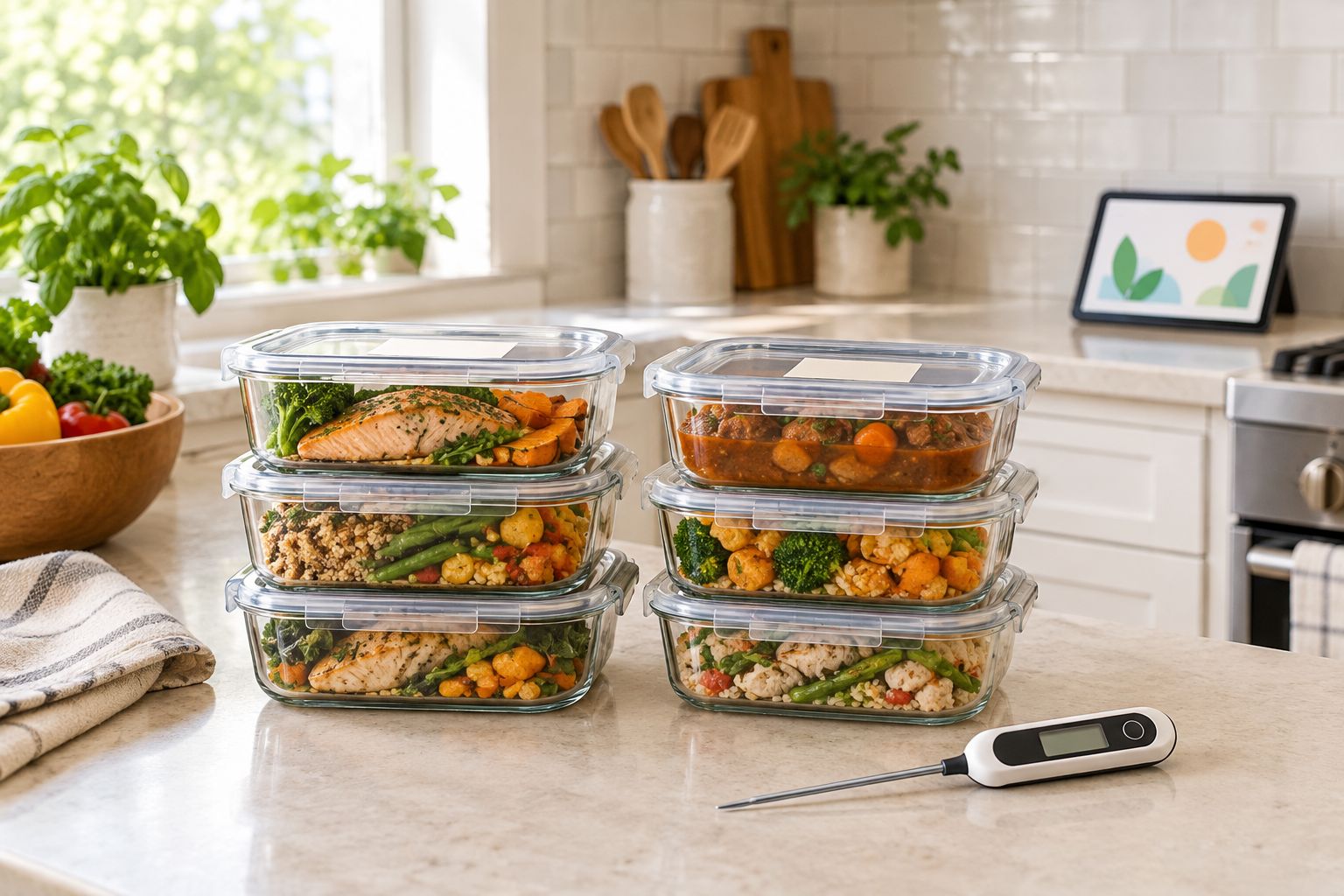
- Reheat leftovers to 165°F, measured with a thermometer.
- Eat refrigerated cooked meals within 3 to 4 days, per USDA guidance.
- Label every container with the date it was cooked.
- Freeze portions that will not be eaten within that window.
Post these on the refrigerator. A written rule helps more than a verbal reminder.
Which option should you choose?
Pick a private chef if your parent has the budget and enjoys good food. Pick medically tailored delivery if a doctor has set strict diet rules. Pick a community program if cost is the main constraint or your parent lives alone. Pick grocery ready meals only as a bridge or a backup.
Still undecided? Start with the Area Agency on Aging call, because it costs nothing and tells you what exists. Then add a private chef or tailored delivery on top.
Looking for a chef for a family dinner instead?
Weekly prep is closed, but Chef Rob still cooks in-home dinners for families across Metro Atlanta and North Georgia. A milestone birthday or a gathering around your parent's table is a good use of that. Chef-designed menus, never templates, led personally by Chef Rob from first consultation to final cleanup.
Plan a private chef dinner
In-home dining for family celebrations across Metro Atlanta.
FAQ
What is the best meal prep service for seniors in Atlanta?
A private chef who preps weekly in the home is the best overall fit for taste and personalization in 2026. Medically tailored delivery is better for strict clinical diets.
Does Medicare pay for meal prep for seniors?
Original Medicare generally does not cover home-delivered meals. Some Medicare Advantage plans offer a limited meal benefit, often after a hospital stay, so call your plan and ask.
How do I find low-cost meals for seniors in Atlanta?
Call the Atlanta Regional Commission, the Area Agency on Aging for the region, and ask about home-delivered and congregate meals. Eligibility and waitlists vary by county.
Is Culinary Collective ATL taking weekly meal prep clients?
No. Weekly meal prep is not open to new clients in 2026. Chef Rob still takes private chef dinners, vacation rental chef service, and retreat catering.
How long can prepped meals stay in the refrigerator?
Cooked meals keep for 3 to 4 days in the refrigerator, per USDA guidance. Freeze anything you will not eat in that window.
What temperature should reheated meals reach?
Reheat leftovers to 165°F. Use a food thermometer, because older adults face a higher risk from foodborne illness.
Can a private chef cook for a senior with a medical diet?
Yes, when the family provides written diet orders from the doctor or dietitian. Ask the chef how they handle sodium, sugar, and texture limits before hiring.
One last thing
Whichever route you pick, ask your parent to taste a sample meal before signing anything. The best-planned diet fails if the food sits uneaten, and a ten-minute tasting catches that before you commit.