

What Is Sous Vide Cooking? A Modern, No-Stress Guide
Picture slicing into a steak that’s perfectly medium-rare from edge to edge—no gray band, no “hope this is right,” no overcooked ends. That’s the appeal of sous vide. From restaurant chefs to home experimenters, Sous Vide Cooking offers remarkable control and quality at home.
“Sous vide” is French for “under vacuum,” but don’t get hung up on the name. The real idea is simple: you cook food at a very specific temperature, for a set amount of time, so the results are consistent and repeatable.
So…what is sous vide cooking, exactly?
Sous vide is like giving your food a controlled warm-water bath—one hallmark of modern Sous Vide Cooking methods.
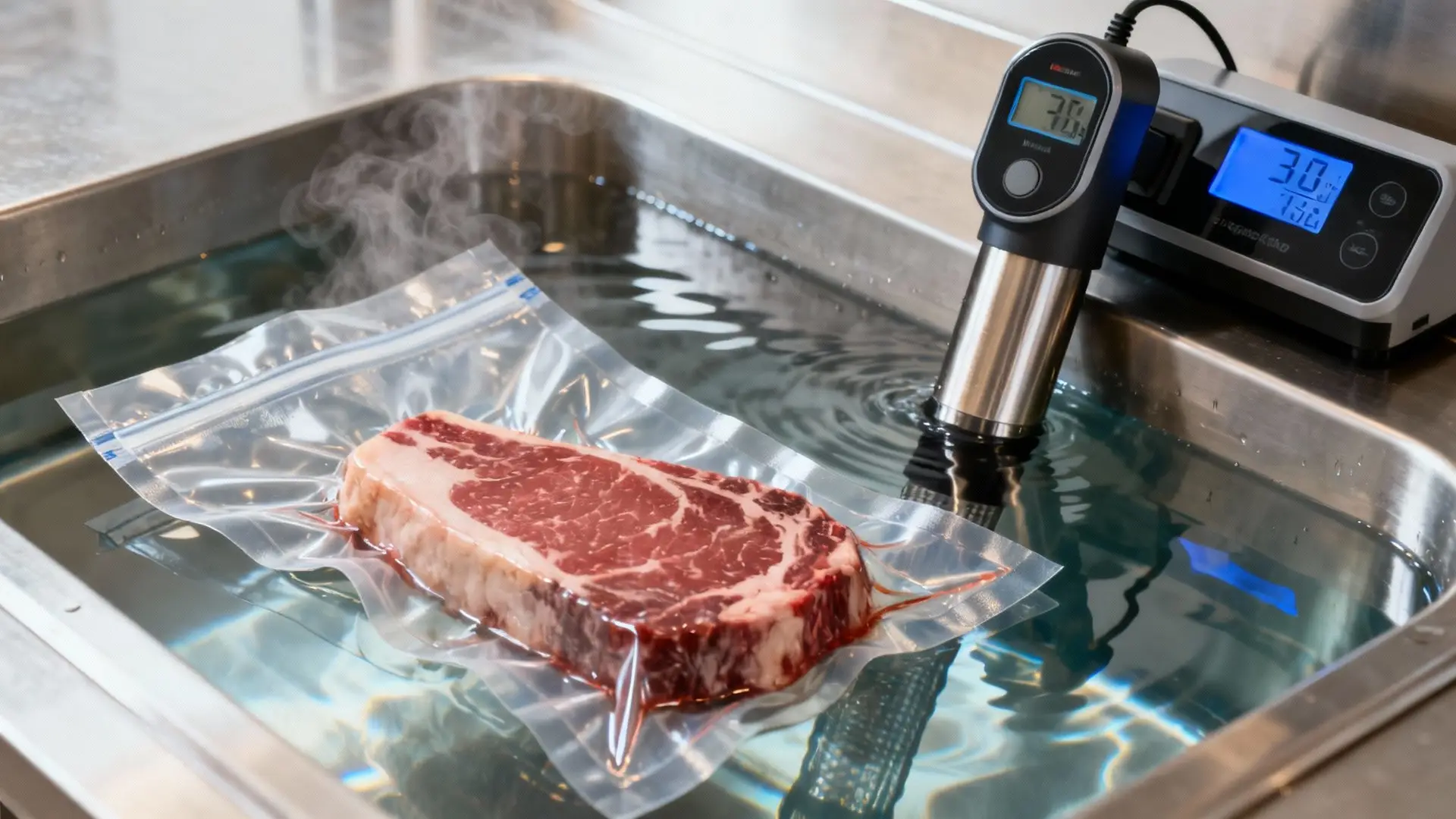
You season your food, seal it in a bag, then place it in a water bath held at a precise temperature using an immersion circulator. Because the water never goes above the temperature you set, your food can’t “accidentally” overshoot the doneness you want.
That’s why chefs love it: it removes the guessing game often found in conventional cooking.
Example: if you set the bath to 135°F, your steak will eventually reach 135°F—and stop there. No panic, no racing the clock. With Sous Vide Cooking, control is everything.
Why chefs rely on it (and why home cooks should too)
Sous vide isn’t a gimmick. It solves a problem traditional cooking can’t fully fix: uneven heat. Interestingly, Sous Vide Cooking creates consistency from edge to edge, which is why chefs trust it.
An oven at 350°F is great for a lot of things, but it’s not gentle. A chicken breast has a tiny window between “juicy” and “dry.” Sous vide widens that window by controlling temperature so tightly.
Here’s what you get out of it:
- Consistency you can count on: steak, chicken, fish—same doneness every time thanks to Sous Vide Cooking techniques.
- Juicier food: the bag keeps moisture and flavor where it belongs.
- Better texture, especially with tougher cuts: long, steady heat helps break down connective tissue without drying the meat out.
The science (without the headache) Behind Sous Vide Cooking
Traditional cooking hits food with high heat and cooks from the outside in. That creates a temperature gradient: the outside gets hotter faster, and you’re trying to time it so the center lands where you want.
Sous vide flips that. The water bath is set to the final temperature you want the food to be. With Sous Vide Cooking, heat moves in gently and evenly, so the whole piece reaches the target doneness with far less risk.
One simple rule to remember:
Temperature decides doneness. Time decides texture.
That’s why a steak at 135°F will always be medium-rare—whether it’s in for 1 hour or 3 hours. The extra time just changes tenderness (and if you go way too long, you can push it into “too soft” territory).
What you need to get started (it’s less than you think)
You don’t need a professional kitchen setup. The basics will get you started on your own Sous Vide Cooking adventure:
1) Immersion circulator
This is the device that heats and circulates the water so the temperature stays steady and even, which is essential for successful Sous Vide Cooking.
2) A container
A stockpot works fine. If you get into sous vide, you can upgrade to a dedicated container later.
3) Bags (and an optional vacuum sealer)
A vacuum sealer is nice, but not required. A freezer zip-top bag works great using the water displacement method (more on that below). Modern Sous Vide Cooking is flexible about gear.
How to cook your first sous vide steak (step-by-step)
This is the easiest “wow” meal to start with, especially if you want to experience what Sous Vide Cooking delivers in terms of texture and flavour.
Step 1: Season
Pat the steak dry. Season generously with salt and pepper. Add herbs (thyme/rosemary) or a smashed garlic clove if you want.
Step 2: Bag it
- Vacuum sealer: seal it normally.
- Zip-top bag: place steak in the bag, seal it almost all the way, then slowly lower it into the water. The water pressure pushes air out. Seal the last inch once the air is out.
Step 3: Set temp + time
A great first target is 135°F for medium-rare. Typically, Sous Vide Cooking empowers you to hit that perfect temperature every time.
Basic steak temps:
- Rare: 129°F
- Medium-rare: 135°F
- Medium: 140°F
- Medium-well: 145°F
Cook time: 1 to 4 hours for most steaks (thicker cuts benefit from the longer end).
Step 4: Sear (don’t skip this)
Sous vide nails the inside, but you still want that browned crust; many Sous Vide Cooking guides stress that finishing steps matter.
- Remove steak from bag
- Pat it very dry (this matters)
- Sear in a ripping-hot pan with a high-smoke-point oil for 30–60 seconds per side
- Optional: finish with butter + herbs for the last few seconds
Rest a couple minutes, slice, and you’ll see the difference immediately.
Quick time + temperature starting points
Use these as reliable baselines as you begin experimenting with Sous Vide Cooking methods for different cuts and recipes.
| Food | Result | Temp | Time |
|---|---|---|---|
| Steak (1” thick) | Medium-rare | 135°F | 1–4 hrs |
| Pork chop (1”) | Juicy, tender | 140°F | 1–3 hrs |
| Chicken breast | Very juicy | 150°F | 1–2 hrs |
| Salmon | Soft + moist | 120–130°F | 30–45 min |
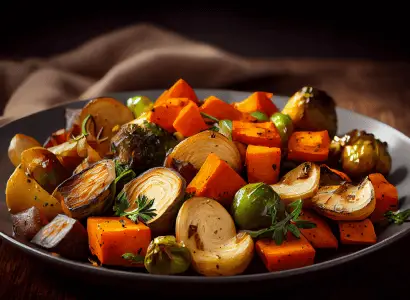
| Carrots | Tender-crisp | 183–185°F | 1 hr |
| Chuck roast | Sliceable + tender | 135°F | 24–36 hrs |
Common mistakes (and how to avoid them)
1) The bag floats
That’s trapped air. Push more air out, or weigh the bag down with a spoon/butter knife in the corner of the bag (kept away from the food). This is a common stumbling block for beginners in Sous Vide Cooking.
2) You don’t dry the food before searing
Moisture kills browning. Dry it like you mean it.
3) You leave delicate proteins in too long
You won’t “overcook” like an oven, but you can change texture. Fish especially doesn’t need hours—which is important for Sous Vide Cooking with seafood.
FAQs
Is sous vide safe?
Yes—when you use proper time and temperature. It’s not just cooking; it’s controlled pasteurization. Sous Vide Cooking follows safety guidelines used by chefs around the world.
Can you overcook with sous vide?
You can’t overshoot doneness if the temp is right, but you can go too long and affect texture (mushy steak is real).
Do I need a vacuum sealer?
No. A freezer zip-top bag + water displacement method works for most home cooks.
If you want, tell me who this blog is for (home cooks vs. “hire a private chef” readers) and what keyword you’re targeting, and I’ll tailor the intro, headings, and CTA so it fits your site and reads even more natural. Happy Sous Vide Cooking!