

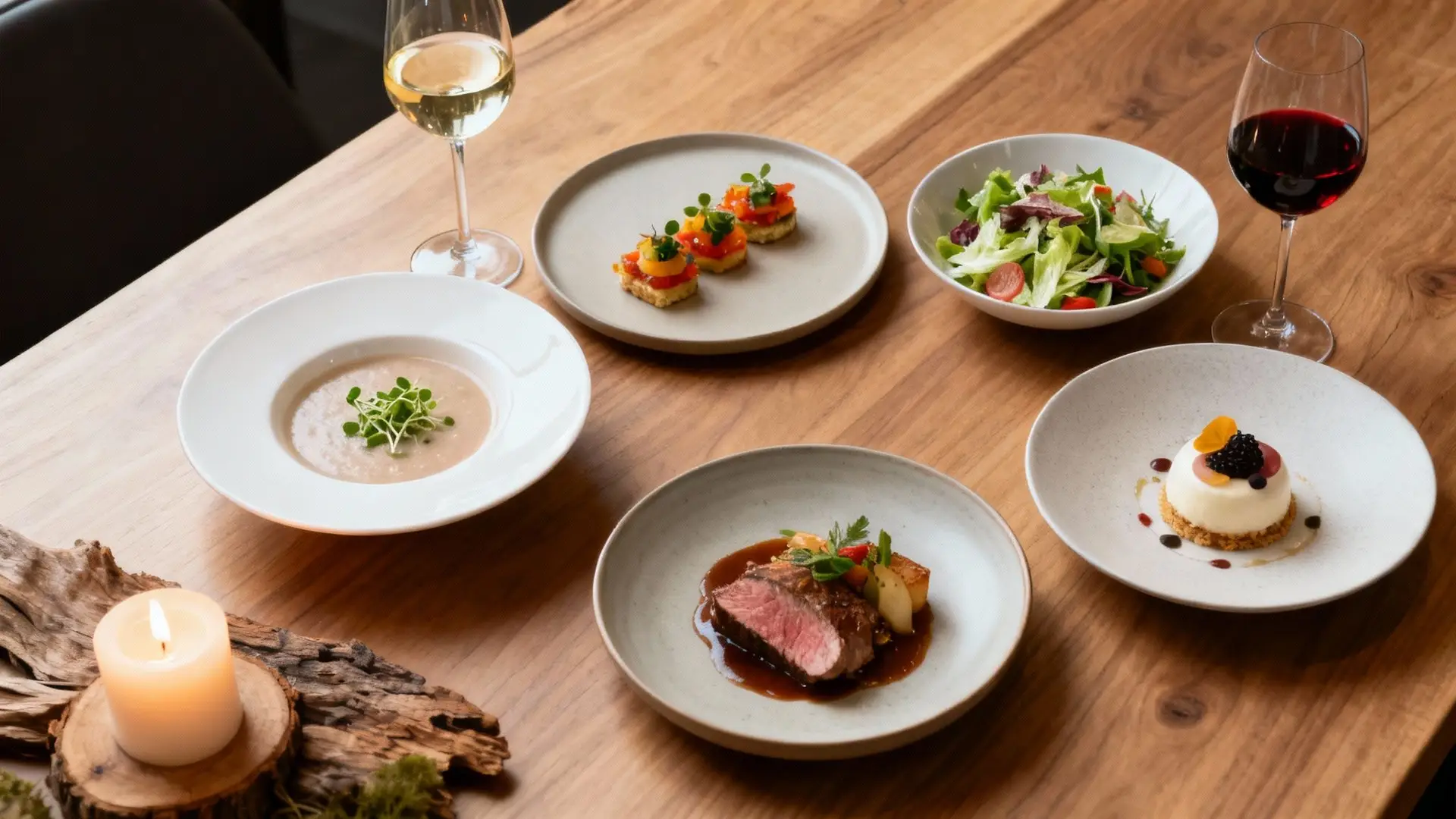
Master a 5 course meal: Pro tips for flawless menu design
When you hear the term 5 course meal, what comes to mind? For many, it conjures images of fancy restaurants and formal occasions. But if you want to master a 5 course meal at home, know that at its heart, a 5-course meal is simply a structured culinary journey, a story told through a series of distinct dishes. In this guide, you’ll learn how to master a 5 course meal step by step.
What Defines a 5 Course Meal
The traditional sequence—soup, appetizer, salad, main course, and dessert—isn’t just about serving a lot of food. It’s a carefully choreographed experience where each course is designed to build upon the last, guiding the palate without overwhelming it.
This structure has deep roots in formal dining. By the early 20th century, the five-course dinner became the gold standard in Western culture. Etiquette icon Emily Post even detailed how a more elaborate seven-course affair could be streamlined into this five-part format, cementing its place as an elegant yet approachable structure for a special meal.
The principles behind this classic format are incredibly useful for anyone looking to create an elevated dining experience at home. It’s all about pacing and balance. By focusing on smaller, distinct portions, you can introduce your guests to a much wider range of flavors and textures than a single, large entrée ever could. It’s a similar philosophy to what you might find in a high-end tasting menu.
The Purpose of Each Course
To Master a 5 course meal, you first have to understand the job of each dish. Think of it like casting actors for a play—every course has a specific role to fill.
Here’s a breakdown of the classic five courses and what each one brings to the table.
Anatomy of a 5 Course Meal Experience
| Course Number | Course Name | Typical Components | Purpose in the Meal |
|---|---|---|---|
| 1 | Soup | Light broth, smooth purée, chilled gazpacho | To gently awaken the palate and warm the stomach. |
| 2 | Appetizer | Seared scallops, bruschetta, small protein bite | To introduce more complex flavors and textures. |
| 3 | Salad | Crisp greens, light vinaigrette, fresh vegetables | To cleanse the palate before the main event. |
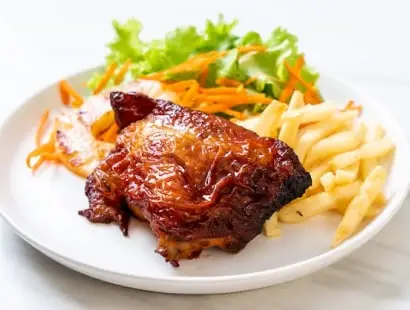
| 4 | Main Course | Fish, steak, hearty vegetarian option with sides | The centerpiece of the meal; the richest and most substantial dish. |
| 5 | Dessert | Fruit tart, chocolate cake, panna cotta | A sweet and satisfying conclusion to the dining experience. |
As you can see, each course serves a deliberate function, creating a logical and enjoyable progression for your guests.
The real magic of a 5 course meal is in the flow. It’s not about serving five main dishes back-to-back. It’s about creating a cohesive journey where each course builds in intensity before gently tapering off, leaving your guests perfectly satisfied but not overly full.
Designing Your Menu with Balance and Flow
Pulling off and mastering a 5-course meal isn’t about just picking five of your best recipes. It’s about orchestrating a cohesive culinary journey for your guests. The real magic lies in creating a “flavor arc”—a progression that guides the palate from delicate, introductory tastes to a rich crescendo, and then gently brings it back down.
This intentional flow is what keeps your guests engaged and curious, never overwhelmed or bored.
Think of it like composing music. You wouldn’t blast the symphony’s grand finale in the first ten seconds. You start with lighter notes and textures—maybe a chilled cucumber soup or a delicate crudo—to awaken the palate. From there, you gradually build toward the more robust and complex main course.
Building the Flavor Arc
The secret is a gradual intensification of flavors. If you kick things off with a powerful, spicy appetizer, the subtle nuances of the fish course that follows will be completely lost. Each dish needs to shine on its own while also setting the stage for what’s coming next.
Varying your cooking methods is another pro-level move. Contrast is your best friend here. If your first course is fried and crispy, maybe the next should be poached or steamed.
- Texture: Follow a creamy soup with a salad that has some crunch, like toasted pine nuts or crispy prosciutto.
- Temperature: A warm starter followed by a cool, refreshing salad can be a fantastic way to reset the palate before the main event.
- Acidity: Don’t underestimate the power of acid. A bright vinaigrette or a squeeze of citrus can cut through richness and keep things from feeling heavy.
To truly master this, understanding the nuances of your ingredients is key. For instance, knowing how the different types of olive oil for cooking can impact a dish is a game-changer. A delicate finishing oil is perfect for a light crudo, while a more robust cooking oil might be what you need to get a perfect sear on your main protein.
The Importance of Portion Control
This is where so many ambitious menus go wrong. One of the biggest mistakes you can make is serving portions that are too large. The elegance of a multi-course meal is in offering just enough of each dish to be satisfying without being filling.
Your guests should feel excited for what’s next, not struggling to make room for it.
A successful 5-course meal leaves guests feeling perfectly satisfied, not uncomfortably stuffed. The aim is a marathon of delightful tastes, not a sprint to fullness. Each plate should be a curated experience, not a full-sized meal.
For instance, a soup course should be no more than 4-6 ounces. An appetizer might be just two perfectly seared scallops or a single, elegant piece of bruschetta. This discipline is what makes the whole experience work.
Let’s walk through a real-world example to see this flow in action.
Seasonal Italian Journey Menu Example:
- Soup: Chilled tomato and basil gazpacho (light, acidic, refreshing).
- Appetizer: Pan-seared gnocchi with brown butter and sage (richer, introduces savory, earthy notes).
- Salad: Arugula with shaved parmesan, lemon, and olive oil (sharp, peppery, cleanses the palate).
- Main: Braised short rib over creamy polenta (deep, robust, the peak of richness).
- Dessert: Lemon panna cotta with berries (light, sweet, and tangy to end on a high note).
See the progression? The menu builds from light and cool to rich and savory, slips in a sharp salad to cleanse the palate, and finishes with a dessert that’s sweet but not heavy. This thoughtful structure is the real secret behind a flawless 5-course meal.
Mastering Your Kitchen Timeline and Prep
The real difference between a chaotic, sweat-inducing cooking session and the smooth, calm execution of a 5 course meal boils down to one simple thing: your timeline. Professional chefs aren’t magical—they just plan meticulously. The secret is working backward from the moment you want to serve that first dish. This approach breaks down an intimidating menu into small, manageable tasks you can tackle over several days, not just a few frantic hours.
Think of this strategy as your secret weapon. Instead of staring down a mountain of work on the day of your event, you’ll have a clear roadmap. It transforms the whole experience from a mad dash against the clock into a graceful, enjoyable performance in your own kitchen.
Working Backward From Serving Time
First, pinpoint your zero hour—the exact moment the first course needs to land on the table. Let’s say you’re aiming for 7:00 PM for the soup course. Every single task, from the grocery run to dicing the last shallot, gets scheduled in reverse from that critical point.
This shifts your thinking from what to cook to when to prep. Some of the best components—like rich stocks, tender braises, or complex dessert elements—actually get better with a day or two to let their flavors meld. Identifying these make-ahead heroes is an absolute game-changer.
The professional chef’s mindset is built on preparation. The goal is to do as much as possible before the heat is on. When guests arrive, your focus should be on final cooking, assembly, and plating—not foundational prep.
The Power of Mise en Place
On the day of the event, your kitchen should be a bastion of organization. Mise en place, the classic French term for “everything in its place,” is the non-negotiable practice of prepping every single ingredient before you even think about turning on a burner. This means every vegetable is chopped, every spice is measured out, and every sauce is ready to go.
- Herbs: Washed, dried, and finely chopped.
- Vegetables: Peeled, diced, or julienned, just as the recipe calls for.
- Proteins: Portioned, trimmed, and sitting in their marinade.
- Sauces & Dressings: Whisked together and stored in airtight containers.
This level of organization prevents that last-minute panic when you’re trying to chop an onion while another pan is seconds away from burning. It’s the key to cooking with confidence and staying in control. Some home chefs have even found success applying batch cooking principles to their event prep. To see how this works, check out our guide on the essentials of what is batch cooking.
The flavor progression of your menu also plays a huge role in how you prep. You want to build from light and delicate to rich and robust, which often means the most complex dishes need to be started first.
This visual helps you map out your menu’s journey, reminding you to prioritize the bigger, bolder flavors that often require more prep time.
Your Sample Prep Timeline
To bring this all to life, here’s a practical schedule for a Saturday evening dinner party. Don’t think of this as just a to-do list; it’s your strategic playbook for a flawless event.
Sample 5 Course Meal Prep Timeline
This timeline is designed to spread the work out, turning a potentially overwhelming task into a series of calm, focused steps.
| Timeframe | Key Tasks | Pro Tip |
|---|---|---|
| 3-4 Days Out | Finalize the menu, write a detailed shopping list, and order any specialty items online. | Group your shopping list by grocery store section (produce, dairy, meat) to make your trip way more efficient. |
| 2 Days Out | Do all your grocery shopping. Make stocks, dessert components like panna cotta, or any braised meats. | Braised dishes are perfect make-ahead mains—their flavor deepens and improves overnight. |
| 1 Day Out | Prepare all your sauces and vinaigrettes. Chop sturdy vegetables like onions and carrots. Get your proteins marinating. | To keep chopped potatoes from browning, just submerge them in a bowl of cold water until you’re ready to cook. |
| Day Of (Morning) | Chop delicate herbs and vegetables. Assemble salad components but keep the dressing separate. Set the table. | Lay out all your cooking pans, pots, and plating dishes ahead of time so they are clean and ready to grab. |
| 2 Hours Before | Take proteins out of the fridge to come to room temperature. Get any chilled items ready for plating. | Never put a cold steak in a hot pan. Letting meat come to room temp is the secret to a perfect, even sear. |
| Final Hour | Cook proteins, gently reheat soups and sauces, dress the salad, and begin plating the first course. | Clean your station as you go. A tidy workspace leads to a clear mind and less stress. |
By sticking to a structured timeline like this, you can host a truly sophisticated 5-course meal and still have the energy and peace of mind to actually sit down and enjoy the evening with your guests.
Taking Your Meal from Great to Unforgettable
You’ve designed the menu and mapped out your prep timeline. Now comes the fun part—the details that transform a great meal into a truly memorable event. This is where the artistry of beverage pairings and thoughtful plating comes in. These final layers show your guests a level of care that goes far beyond just the food itself.
Honestly, these finishing touches are what create that “wow” factor. It’s the difference between simply serving dinner and hosting a genuine culinary experience.
Finding the Perfect Beverage Pairings
Don’t let pairings intimidate you. The goal is simply harmony—choosing a drink that complements a dish without overpowering it. While wine is the classic go-to, a well-crafted non-alcoholic drink can be just as impressive.
Here are a few simple rules I live by:
- Light with Light: For delicate dishes like a fish crudo or a light vegetable soup, you want something crisp and high-acid. Think Sauvignon Blanc or even sparkling water with a squeeze of lemon and a sprig of fresh mint.
- Rich with Bold: When you’re serving a hearty main course—braised short ribs or a creamy mushroom risotto—you need a drink that can hold its own. A Cabernet Sauvignon or a robust, non-alcoholic red blend has the body to match those big flavors.
- Opposites Attract: Sometimes, contrast is your best friend. A slightly sweet Riesling can cut right through the heat of a spicy Thai-inspired dish, creating a perfect balance on the palate.
Ultimately, think of the drink as another ingredient on the plate. If you want to go deeper, our complete guide on how to pair wine with food breaks down the principles even further.
The best pairing isn’t always the most expensive or complicated bottle. It’s the one that makes both the food and the drink taste better together than they ever could on their own.
The Art of Plating and Presentation
Let’s be real: you eat with your eyes first. The way a dish is presented has a huge impact on how it’s perceived before the first bite is even taken. As chefs, we use a few core principles to build plates that look as incredible as they taste.
Thinking about the visual flow of a 5 course meal turns it from a simple dinner into a structured, curated experience. This isn’t just a modern trend. Formal meals have evolved over centuries into these elaborate sequences, and today’s fine-dining tasting menus are just the latest version of that tradition. It’s a timeless mark of an exceptional meal.
Actionable Plating Techniques
- Use the Clock Method: This is a classic for a reason. Imagine your plate is a clock face. Position the main protein at 6 o’clock, the starch at 11, and the vegetables at 2. It creates an instant, natural focal point.
- Create Some Height: Don’t lay everything flat! Lean components against each other or build your dish upward to create visual interest. A beautiful piece of braised meat placed on top of a mound of creamy polenta is far more appealing than having them sit side-by-side.
- Play with Color and Texture: Garnish with intention. A sprinkle of bright green herbs, a swoosh of a colorful purée, or a scattering of toasted nuts adds contrast that makes the whole dish pop.
- Embrace Negative Space: Never crowd the plate. Leaving some empty space around the food frames it, making the presentation feel clean, elegant, and deliberate. Always choose a plate that’s large enough to let your beautiful components breathe.
By focusing on these simple pairing and plating strategies, you add that final layer of polish that makes your 5 course meal truly special.
Accommodating Dietary Needs Without Compromise
Hosting an elegant 5 course meal is all about creating an inclusive experience where every single guest feels seen and cared for. The secret isn’t to create entirely separate, disjointed meals for those with dietary restrictions. Instead, the best approach is to design a core menu that’s inherently flexible. This way, everyone feels like they’re part of the same shared dining journey.
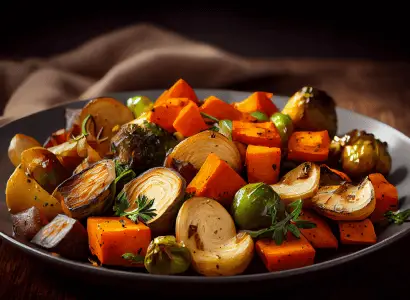
The smartest strategy is to build your menu around components that are naturally plant-based or free of common allergens. Think about a spectacular roasted vegetable dish or a rich, earthy mushroom risotto as the star. These dishes are fantastic on their own for vegan or vegetarian guests and can be easily elevated with a piece of seared protein for others.
Smart Swaps and Adaptable Bases
When you plan for adaptability from the very beginning, you save yourself a world of last-minute stress in the kitchen. A few clever choices during the menu design phase can make handling different needs feel almost effortless.
For instance, if you know you have guests with gluten sensitivities, getting familiar with the best gluten free food staples is a game-changer. Using a high-quality gluten-free pasta or a creamy polenta as the base for a course means you only have to cook one version for everyone at the table.
Here are a few practical adaptations I use all the time:
- Soups: Start with a vegetable broth for a creamy soup. Just before serving, you can add a swirl of dairy cream for some guests and a drizzle of rich cashew cream for any vegan diners.
- Sauces: Build sauces without dairy or gluten from the start. A flavorful romesco or a bright, zesty chimichurri works beautifully across different plates, pairing just as well with vegetables as it does with meat.
- Desserts: A fruit-based dessert is often your best friend here. Think poached pears with a dark chocolate drizzle—it can easily be made vegan and gluten-free, satisfying everyone without needing multiple complex recipes.
The most thoughtful approach to dietary needs is invisibility. When a guest doesn’t have to ask for a ‘special’ plate because their meal is a natural, delicious variation of the core dish, you’ve truly succeeded as a host.
A Real-World Scenario
Let’s put this into practice. Imagine your main course is a pan-seared sea bass served over a vibrant lemon-herb quinoa with tender asparagus.
For a vegan guest, you simply swap the fish for perfectly seared king oyster mushrooms. The heart of the dish—the quinoa and asparagus—remains exactly the same. This preserves the flavor profile you worked so hard to create and ensures everyone enjoys the same thoughtful composition.
This method doesn’t just simplify your workload; it makes every guest feel like an equal and valued participant in the culinary experience you’ve crafted. It’s the ultimate sign of a truly considerate and skilled host.
Of course, even the most buttoned-up plan can leave you with a few “what if” questions buzzing in your head. When you’re putting together a 5-course meal, a few common hurdles always seem to pop up. Let’s walk through them so you feel completely in control from the first pour to the final bite.
How Long Should This Whole Thing Take?
One of the biggest anxieties I hear from hosts is about timing. You don’t want to rush your guests, but you also don’t want awkward, momentum-killing gaps between plates.
A well-paced 5-course meal isn’t a race; it’s a marathon of flavors. I always suggest aiming for a total dining experience of 2.5 to 3 hours. This gives you a comfortable 20-30 minutes for each course, which is the sweet spot for guests to truly savor the dish, chat a bit, and get ready for the next one. The goal is a relaxed, conversational flow—not a culinary conveyor belt.
What’s the “Right” Way to Clear Plates?
Knowing when to clear plates is one of those subtle details that separates a good host from a great one. The universal rule here is simple: wait until everyone at the table has finished a course before clearing anyone’s plate. Nothing makes a guest feel more rushed than having their dish whisked away while their neighbor is still enjoying a bite.
Once everyone has set their silverware down, you can move in.
- Clear from their right side. It’s the standard for a reason—it’s less intrusive.
- Don’t stack at the table. Nobody wants to see a wobbly tower of dirty dishes. Take just a few plates at a time back to the kitchen.
- Reset for the next course. Before the next dish comes out, make sure the proper silverware is in place.
A great host is like a great director—their work is felt but rarely seen. The seamless clearing and serving of each course should happen in the background, allowing the conversation and enjoyment to remain the focus. This subtle management is what elevates the experience.
My Kitchen Is Tiny. Can I Really Pull This Off?
Absolutely. A small kitchen doesn’t kill your ambition; it just forces you to be smarter about your prep. That whole mise en place strategy we talked about? It goes from “good idea” to “non-negotiable” in a tight space. When counter real estate is at a premium, having every last ingredient chopped, measured, and organized in small containers is your saving grace.
Here are a few tricks I’ve learned from working in all kinds of kitchens:
- Build a strategic menu. Don’t pick five dishes that all need last-minute stovetop attention. A beautiful chilled soup, a room-temperature salad, or a dessert you made yesterday will seriously cut down on kitchen traffic jams.
- Clean as you go. This is the golden rule for a reason. Wash that prep bowl the second you’re done with it. Wipe down your cutting board. A clear workspace is a calm workspace.
- Think vertically. Can’t spread out? Go up. Tiered cooling racks are fantastic for holding prepped components or finished dishes, getting them off your valuable counter.
At the end of the day, a stunning multi-course meal has far more to do with your organization than the size of your kitchen. With a solid timeline and a well-managed space, you can create a memorable dinner just about anywhere.
Ready to host an unforgettable dinner without the stress? The expert chefs at Culinary Collective Atl specialize in creating personalized, multi-course dining experiences in the comfort of your home. Let us handle the planning, prep, and execution so you can enjoy the moment. Discover your perfect private chef experience at https://www.theculinarycollectiveatl.com.