
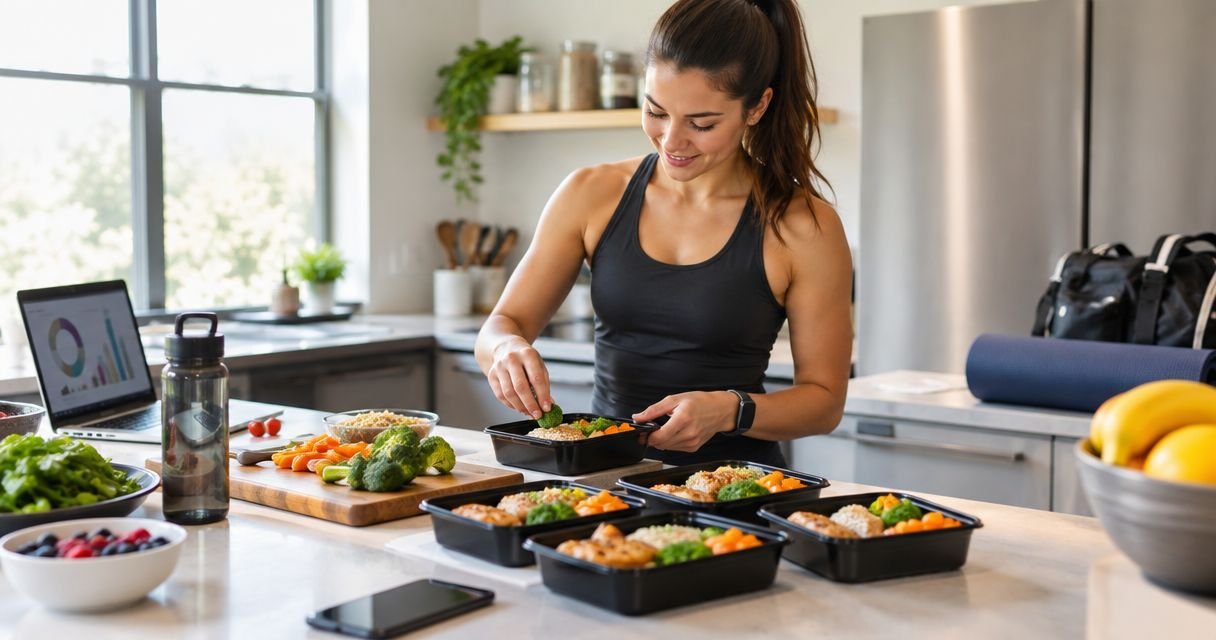
Student-athlete meal prep is advance meal planning and cooking with the aim of keeping school, training, and recovery supported throughout the week. This 2026 guide shows you how to organize meals around classes, practices, travel, and shared family dinners without turning every evening into another cooking session.
- Meal prep for student athletes starts with the school and practice calendar, not a fixed menu.
- Combine carbohydrate foods, protein, produce, and dietary fats; adjust portions to the athlete rather than a rigid template.
- Refrigerate cooked leftovers for 3–4 days or freeze portions intended for later in the week.
- Culinary Collective ATL is best for hosts seeking custom private chef dining in Metro Atlanta and North Georgia.
Why meal prep matters for student athletes
A student athlete’s eating schedule has to work around classes, transportation, practice, homework, and sleep. A lunch that looks complete at home is not useful if there is nowhere to keep it cold or no time to eat it.
Start with access: what can your athlete actually carry, store, reheat, and eat? Then build meals that fit those conditions. Preparing food ahead removes a cooking task; it does not replace an individualized nutrition plan.
This guide focuses on household planning, not prescribed sports nutrition. Culinary Collective ATL provides custom private chef dining, vacation rental chef services, and retreat catering; the steps below are a do-it-yourself approach for your athlete’s everyday meals.
For a growing athlete, avoid using meal preparation as a shortcut to restrictive dieting. Questions about persistent fatigue, weight changes, supplements, medical conditions, or sport-specific fueling belong with a qualified clinician or registered dietitian experienced in sports nutrition.
Build your weekly meal-prep routine
Map the school and training calendar
Before choosing recipes, write down when your athlete leaves home, eats lunch, practices, and returns. Include the awkward gaps: an early dismissal, an away game, or an evening when the family eats separately.
Your 2026 weekly plan should follow the actual calendar, not the week you wish you had. Mark meals that need to travel and meals that can stay in the refrigerator until someone gets home.
Ask your athlete where the plan usually breaks down. A forgotten lunch needs a different fix from a lunch that comes home untouched because the cafeteria break is rushed. Let that answer determine what you prepare first.
- School meals: Identify access to a refrigerator, microwave, and drinking water.
- Practice days: Mark when a packed snack or portable meal is needed.
- Travel days: Check departure times and food-storage arrangements.
- Home dinners: Choose evenings when the family can eat together.
- Schedule changes: Leave a flexible meal for a moved practice or late arrival.
Build flexible meals instead of identical boxes
Use familiar foods to create a repeatable structure: a carbohydrate food, a protein source, produce, and dietary fat. Rice, potatoes, pasta, bread, beans, eggs, poultry, fish, tofu, fruit, vegetables, and olive oil offer plenty of combinations without requiring a separate recipe for every meal.
Meal prep for student athletes is a scheduling system, not a single portion size. Appetite and food needs differ by age, growth, body size, training, and medical history. Do not assign everyone the same container and assume the job is finished.
Keep components separate when preferences differ. A rice bowl, wrap, and dinner plate can share ingredients while feeling like different meals; sauces and toppings can be added at serving time.
- Choose a base: Prepare rice, pasta, potatoes, or another familiar carbohydrate food.
- Add protein: Include foods the athlete enjoys and tolerates.
- Include produce: Mix ready-to-eat fruit with cooked or raw vegetables.
- Keep additions separate: Pack dressings, sauces, and crunchy toppings apart.
- Allow adjustments: Make extra components accessible rather than fixing every portion in advance.
Choose a preparation method that fits your household
Start with the simplest manual method: a paper menu, a grocery list, and a dedicated cooking session. You do not need an app, special containers, or a collection of unfamiliar recipes to make the week easier.
Choose between fully assembled meals and batch-cooked components. Assembled meals reduce decisions at serving time; components give your athlete more choice when appetite or timing changes. A mixed approach works when some meals travel and others stay home.
Keep occasional hosting separate from the everyday routine. Culinary Collective ATL offers private chef dinners for hosts who want a custom dining experience; that is a different decision from organizing school lunches and practice-day snacks.
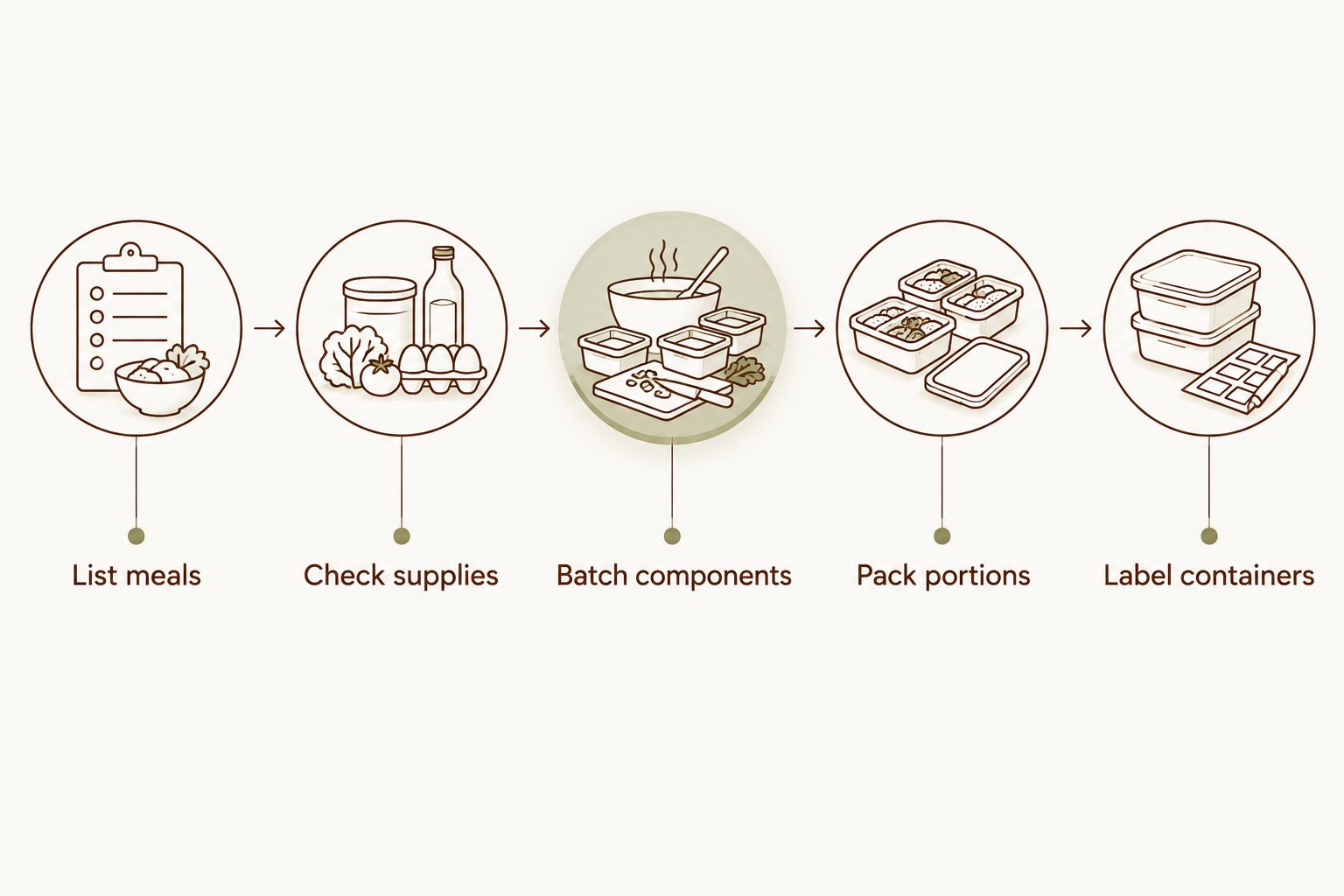
- List meals: Identify exactly which breakfasts, lunches, dinners, and snacks need preparation.
- Check supplies: Use suitable ingredients already in your pantry and freezer.
- Batch components: Cook foods that can serve more than one meal.
- Pack portions: Assemble meals that must leave home ready to eat.
- Label containers: Record the food and preparation date.
Match portable food to the eating window
A seated lunch, a bus ride, and a short break before practice call for different food choices. Ask what is permitted at school and in team spaces, including any allergy rules, before packing shared foods or snacks.
Choose familiar foods for competition days rather than introducing a new recipe because it sounds athletic. Your athlete’s comfort and established tolerance matter more than a food’s reputation.
For your 2026 routine, write a backup beside each travel meal. That backup should solve a specific problem, such as no microwave, limited eating time, or a delayed return—not simply add another item to an already crowded bag.
- Cold lunches: Pack foods that are enjoyable without reheating and keep perishables chilled.
- Short breaks: Choose familiar, easy-to-handle foods appropriate to the athlete’s needs.
- Long days: Pack distinct eating occasions rather than expecting lunch to cover the entire afternoon.
- Missing equipment: Include utensils and any containers needed for serving.
- Shared spaces: Follow school and team allergy policies.
Store and reheat food safely
Do not prepare a full week of refrigerated cooked meals and assume every container lasts until the final day. USDA household food-safety guidance recommends using refrigerated cooked leftovers within 3–4 days; freeze portions intended for later.
USDA guidance also calls for keeping the refrigerator at 40°F or below, refrigerating perishable food within 2 hours, and reheating leftovers to 165°F. The refrigeration window drops to 1 hour when the surrounding temperature is above 90°F. These rules matter when food travels to school, sits near a sports field, or comes home in a warm car.
Use a food thermometer rather than judging reheated food by steam alone. An insulated bag needs suitable cold sources to keep perishable food cold; the bag itself does not provide refrigeration.
- Cool promptly: Divide cooked food into shallow containers for refrigeration.
- Freeze later meals: Separate portions that fall beyond the refrigerated leftover window.
- Pack cold sources: Keep perishable lunches cold during transport and storage.
- Check temperatures: Use refrigerator and food thermometers.
- Reheat safely: Bring leftovers to 165°F.
- Discard unsafe food: Do not rely on smell to establish safety.
Review what your athlete actually eats
At the end of the week, look at what came home, what ran out, and which meals were inconvenient. Treat that information as feedback about the plan, not a reason to criticize your athlete.
A meal can be balanced and still fail because the container leaks, the texture changes, or the eating break is too short. Fix the practical obstacle before adding more recipes.
Keep a brief record during your 2026 planning cycle. You are looking for patterns in convenience and acceptance, not creating a food-surveillance project. If concerns involve health, growth, or ongoing difficulty eating enough, seek professional guidance.
- Ask about taste: Identify foods your athlete wants repeated.
- Inspect containers: Replace packaging that leaks or is difficult to open.
- Review leftovers: Find out why food was not eaten before changing portions.
- Adjust timing: Move preparation toward the meals that cause the most difficulty.
- Keep useful backups: Retain familiar options that fit your storage arrangements.
Compare preparation options for student athletes
Choose the method that solves your household’s actual bottleneck. Fully assembled meals help when packing is the problem; separate components help when preferences change. None of these options determines an athlete’s individual nutrition requirements.
| Option | Best for | Main advantage | Key limitation |
|---|---|---|---|
| Fully assembled home-prepared meals | Athletes who need grab-and-go school lunches | Reduces assembly before leaving home | Fixed combinations offer less flexibility; storage limits still apply |
| Batch-cooked components | Families with different appetites and preferences | Lets each person assemble a suitable meal | Requires some work at serving time |
| Frozen home-prepared portions | Meals scheduled beyond the refrigerated leftover window | Separates later meals from food intended for earlier use | Requires freezer space and a safe thawing or reheating plan |
| Fresh cooking supported by prepared ingredients | Households with unpredictable evenings | Keeps final meal choices flexible | Someone still needs time to cook |
You do not have to commit to one method. Pack the meals that must travel, refrigerate components for near-term dinners, and freeze the portions meant for later. Keep the system easy enough that your family will repeat it during a busy school week.
Common meal-prep mistakes student-athlete families make
Preparing meals without checking school facilities
A reheatable bowl is inconvenient when your athlete cannot access a microwave. Confirm storage and eating arrangements before choosing the menu, then test the packed meal under those conditions.
Treating every practice day as identical
An after-school practice and an away event create different transport and eating needs. Match the food plan to departure, breaks, and return time rather than labeling every day simply as a training day.
Making the entire week depend on refrigerated leftovers
A weekend cooking session does not extend the safe storage life of cooked food. Follow the 3–4-day refrigerated leftover window and freeze later portions instead of leaving them in the same refrigerator stack.
Confusing family meal prep with individualized sports nutrition
Organizing food is useful, but it does not establish calorie targets, supplement needs, or a treatment plan. Avoid borrowing another athlete’s portions or restrictions; get individualized advice when the question goes beyond household cooking.
FAQ
What is the best way to start meal prep for student athletes?
Start by mapping school, practice, travel, and eating arrangements. Prepare familiar meals for the parts of the week where cooking or packing causes the most difficulty, then adjust based on what your athlete actually eats.
Can I cook all my student athlete’s meals on Sunday?
You can prepare food ahead, but refrigerated cooked leftovers should be used within 3–4 days under USDA guidance. Freeze portions intended for later in the week and plan safe thawing or reheating.
What should go into a student athlete’s prepared meal?
Build meals around carbohydrate foods, protein sources, produce, and dietary fats. Portions and timing need to fit the athlete’s age, growth, activity, preferences, and health needs rather than a universal template.
How do I keep a packed lunch safe during school and practice?
Keep perishable food cold with appropriate storage and cold sources during transport. USDA guidance calls for refrigeration within 2 hours, or within 1 hour when the surrounding temperature is above 90°F.
Are identical meal-prep containers right for every athlete?
No, identical containers do not establish appropriate portions for every athlete. Use a flexible system and consult a qualified sports dietitian when you need individualized fueling guidance.
Should my athlete try new foods on competition day?
Keep competition-day meals familiar rather than using the event to test new foods. Try unfamiliar recipes on ordinary days so your athlete can assess taste, convenience, and tolerance.
Should meal prep include protein supplements?
Meal preparation does not require protein supplements. Discuss supplement questions with a qualified clinician or sports dietitian, especially for a growing athlete, rather than adding products because teammates use them.
One last thing
Test the packed lunch before making it your weekly routine. Have your athlete open the container, use the utensils, and eat the food as it will be served at school. A practical test catches problems that a recipe cannot: awkward lids, soggy textures, or a meal that needs equipment your athlete does not have.
Keep everyday meal planning separate from celebration planning, too. In 2026, Culinary Collective ATL’s custom private dining is an option for hosting a special gathering—not a substitute for your athlete’s individualized nutrition care.
Related guides
- Private chef services for Airbnb rentals in Atlanta
- How much a private chef costs for a birthday party